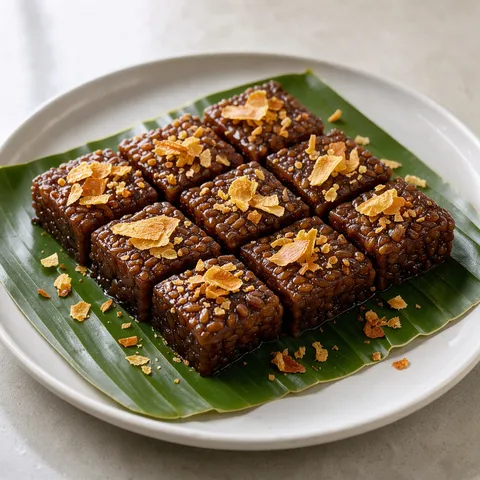
Filipino Sticky Rice Cake in Coconut Caramel Biko
A Filipino dessert. Takes 55 min · +1 hr soaking · +30 min cooling, Serves 4. Difficulty: medium.
At a glance
- Total time
- 55 min · +1 hr soaking · +30 min cooling
- Serves
- Serves 4
- Difficulty
- Medium
- Cuisine
- Filipino cuisine
- Dish type
- Dessert
- Diet
- Gluten-free
- Allergens
- Milk, Tree nuts
Ingredients
Rice
- 400 g glutinous rice (sticky rice)
- plenty of water for soaking
- 400 ml water (for cooking)
Latik (coconut curds)
- 400 ml coconut milk (full-fat)
Caramel
- 600 ml coconut milk
- 250 g dark brown sugar or palm sugar
- 1/2 tsp salt
Tin
- 20×20 cm square tin
- 1 tsp sunflower oil or baking paper
Equipment
- Mixing bowls
- Colander
- Sauté pan
- Heavy-based saucepan
- Wooden spoon / spatula
- Baking tray
- Silicone spatula
- Chef's knife
- Baking paper (optional)
Method
- Soak the rice: Rinse the sticky rice 3 times, until the water runs clear, and soak in plenty of water for 1 hr. A short soak speeds up the cooking, and the grains in biko stay both sticky and distinct
- Start the latik (hob ring 1): Bring the coconut milk to the boil in a wide, heavy-based frying pan over medium heat. Once it boils, reduce to medium-low heat and cook, stirring now and then. First the water evaporates, then after about 15 min the oil separates and the white solids start to brown. From this point, keep stirring constantly for 8-10 min, until the solids turn into deep golden-brown crumbs. About 25 min in total. Lift out the latik with a slotted spoon and keep the coconut oil that drains off
- Cook the rice (hob ring 2): While the latik cooks, drain the rice and put it in a heavy-based saucepan with the 400 ml water. Once it boils, turn the heat to the lowest setting and cook, covered, for 15 min, until the water is completely absorbed. The grains should be soft but still have a little bite, as they will keep cooking in the caramel
- Cook the caramel (hob ring 3): While the rice cooks, bring the coconut milk, sugar and salt to the boil in a wide, heavy-based saucepan over medium heat, stirring. Cook for 15 min, stirring now and then, until reduced by half to a dark brown sauce that thickly coats the back of a spoon. The caramel tends to boil over, so use a wide pan
- Combine the rice and caramel: Add the cooked rice to the caramel and reduce to medium-low heat. Stir constantly for 15 min, lifting and folding with two wooden spoons. The mixture slowly thickens and comes away from the base of the pan, and the spoon leaves a trail through which the base of the pan shows. This consistency makes biko firm enough to cut. If it catches, reduce the heat
- Press into the tin: Grease the tin with the coconut oil left from the latik or line it with baking paper. Transfer the biko to the tin and spread it flat and firm, pressing with an oiled spatula. It should be about 3 cm thick. Takes 3 min
- Top with latik: Scatter the latik crumbs evenly over the surface of the biko and press lightly with the spatula. Drizzle 1 tbsp coconut oil over the surface for shine
- Cool and cut: Let the biko cool at room temperature for 30 min. Biko cut while hot sticks and falls apart. Cut into 16 squares with an oiled sharp knife, wiping the knife before each cut
- Plate: Arrange the squares, latik side up, on a plate lined with banana leaf or on a flat plate. Serve at room temperature. In the Philippines biko is cut at festivals and birthdays and when entertaining guests
Chef's note
Biko is one of the best known of the Philippine rice sweets called kakanin, made especially for festivals and celebrations. In some regions the top is finished not with latik but by browning the coconut caramel in the oven (sinukmani). The 20×20 cm tin gives 16 squares (serves 4-8). Coconut milk is traditionally bought ready-made. It differs from the Mango Sticky Rice (Khao Niao Mamuang) on this site in being cooked in caramel and in being a firm cake that can be cut. It keeps for 1 day at room temperature in an airtight container or 3 days in the fridge, and if it hardens, steam it for 5 min to warm it through.
Frequently asked questions
- Why does Biko fall apart when I cut it while hot?
- Biko cut while hot sticks and falls apart. Let it cool at room temperature for 30 minutes, then cut with a sharp, oiled knife and wipe the knife between cuts.
- How do I stop the Biko caramel boiling over?
- The caramel tends to boil over, so use a wide, heavy-based pan. Cook until it has reduced by half and thickly coats the back of a spoon.
- How can I tell when the Biko is ready?
- As you stir the rice into the caramel, it pulls away from the base of the pan. A spoon leaves a trail behind it and the base of the pan shows. This consistency is what lets the biko be cut into pieces.
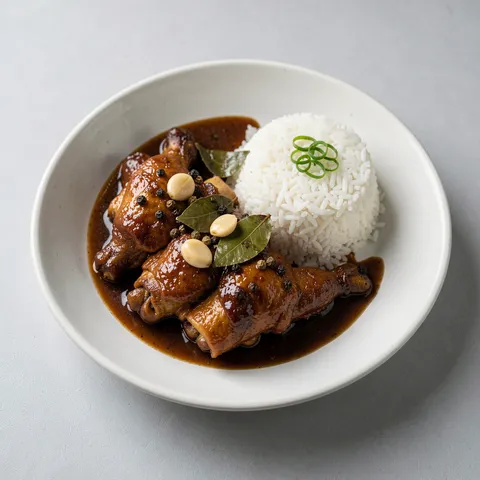 Filipino Chicken in Vinegar and Soy Sauce55 min · Main course
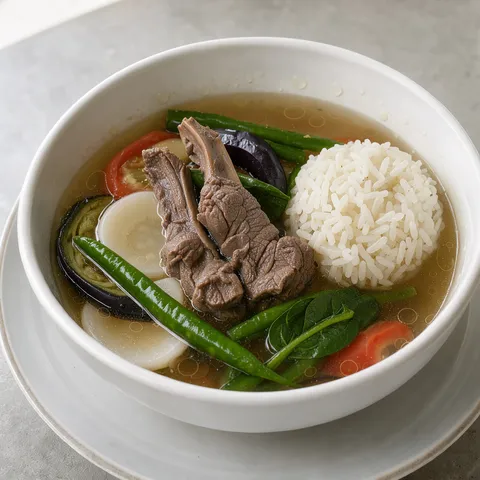 Sour Tamarind Beef Soup1 hr 20 min · Soup
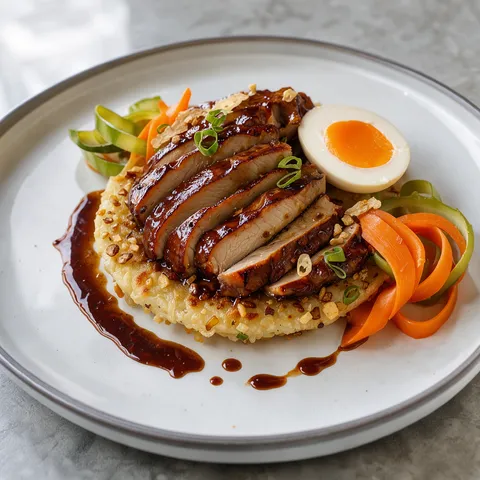 Chicken Adobo 2.01 hr 20 min · Main course
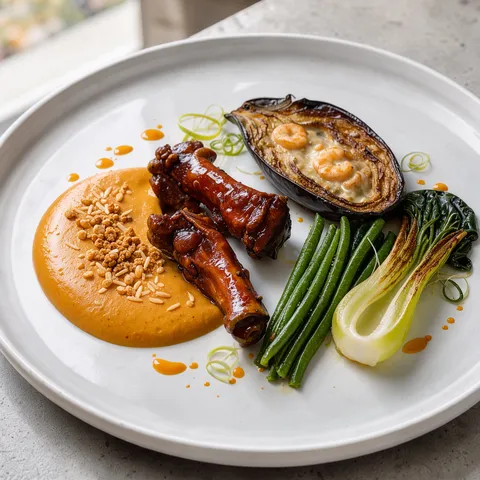 Kare-Kare 2.01 hr 30 min · Main course
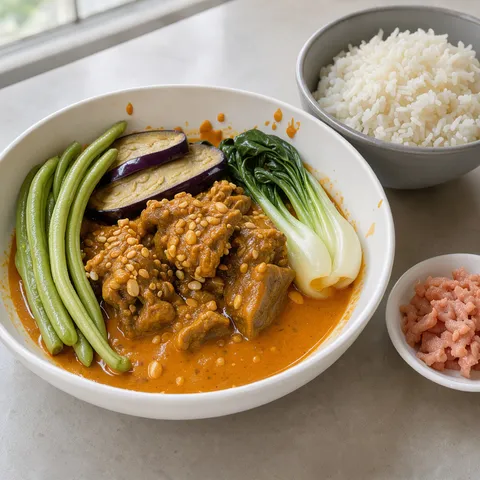 Filipino Oxtail Stew in Peanut Sauce3 hr 15 min · Main course
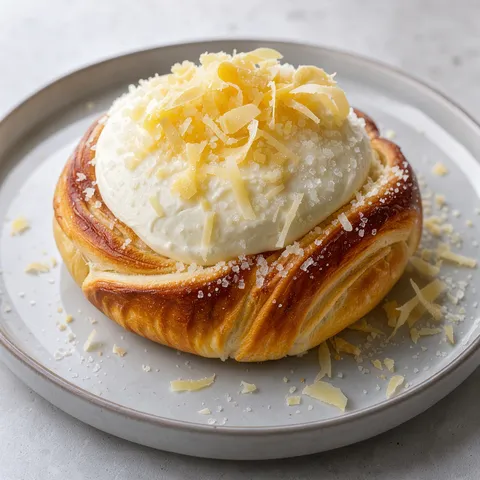 Filipino Butter and Cheese Buns4 hr 10 min · Bread & pastry