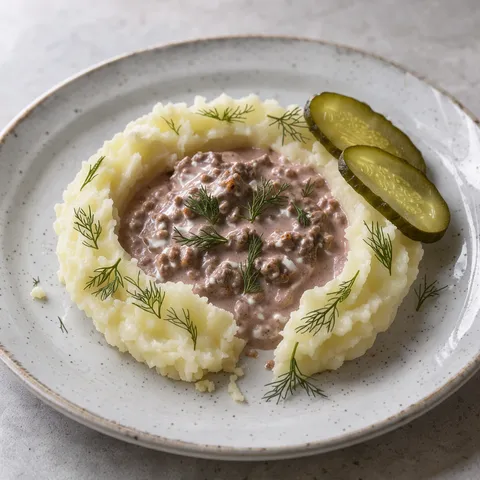
Estonian Soured Cream Mince Sauce Hakklihakaste
An Estonian main course. Takes 55 min, Serves 4. Difficulty: medium.
At a glance
- Total time
- 55 min
- Serves
- Serves 4
- Difficulty
- Medium
- Cuisine
- Estonian cuisine
- Dish type
- Main course
- Allergens
- Gluten, Milk
Ingredients
Sauce
- 600 g beef mince (medium fat)
- 1 medium onion (about 150 g)
- 1 carrot (about 100 g)
- 1 tbsp sunflower oil
- 2 tbsp plain flour
- 1 tbsp tomato paste
- 500 ml hot water
- 1 bay leaf
- 1 tsp salt
- 1/2 tsp black pepper
- 150 g soured cream
Mash
- 1 kg floury potatoes
- 1 tsp salt (for the cooking water)
- 150 ml hot milk
- 40 g butter
- 1/4 tsp salt
To serve
- 1/2 bunch dill
- 2 gherkins
Equipment
- Vegetable peeler
- Saucepan
- Chef's knife
- Chopping board
- Box grater
- Sauté pan
- Wooden spoon / spatula
- Colander
- Potato masher
Method
- Start the potatoes: Peel the potatoes with a peeler, cut them into 4 and start them in a saucepan of cold water with 1 tsp salt. Cook for 18-20 min once boiling, until a knife slides in easily. Starting in cold water cooks the potatoes evenly inside and out
- Prepare the vegetables: On a chopping board, finely chop the onion with a chef's knife, then peel the carrot and grate it on the fine side of the grater
- Brown the mince: Heat the oil in a 28 cm sauté pan over a medium-high heat. Add the mince and brown it for 6-7 min, breaking it up with a wooden spoon, until it releases its liquid, the liquid evaporates and the meat browns in places. Well-browned mince gives the sauce its depth, while grey mince makes it bland
- Add the vegetables: Add the onion and carrot and cook for 5 min, until the onion softens. Add the tomato paste and stir for 1 min
- Toast the flour and add the liquid: Sprinkle the flour into the pan and stir for 1 min to work it into the mince. Pour in the hot water a little at a time, stirring constantly so no lumps form. Add the bay leaf, salt and pepper. Once boiling, lower the heat and simmer gently for 15 min, until the sauce coats a spoon. The internal temperature of the mince comfortably exceeds 71°C
- Make the mash: Drain the cooked potatoes in a colander, let them steam for 1 min and return them to the pan. Add the butter and salt and mash with a potato masher. Add the hot milk a little at a time, beating with a wooden spoon. The mash should be soft and fluffy. Cold milk makes mash gluey
- Add the soured cream: Remove the bay leaf. Lower the heat to the lowest setting, add the soured cream and warm for 2 min, stirring, without letting it boil. The sauce should be creamy and a light pinkish brown. Check the seasoning
- Serve: Put the mash on a plate, make a hollow in the centre with the back of a spoon and pour in plenty of the mince sauce. Scatter with chopped dill and serve with sliced gherkins alongside
Chef's note
Hakklihakaste is an everyday dish cooked very often in Estonia, from school canteens to home tables. The original recipe uses pork or mixed pork and beef mince; here it is made with beef. It is also served with boiled potatoes, pasta or buckwheat instead of mash.
Frequently asked questions
- How does browning the mince well affect the sauce?
- Well-browned mince gives the sauce its depth. If it stays grey, the sauce is bland.
- Why does the mash turn gluey?
- If the milk added to the mash is cold, it turns gluey. So add hot milk a little at a time, stirring with a wooden spoon.
- How is the soured cream added to the sauce?
- Turn the heat to the lowest, add the soured cream and heat for 2 minutes, stirring. Don't let it boil.
 Estonian Potato and Barley Mash1 hr 15 min · Main course
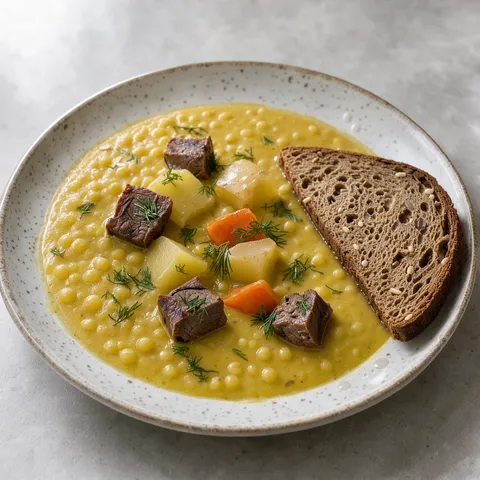 Estonian Smoked Yellow Pea Soup1 hr 25 min · Soup
 Estonian Beetroot and Herring Salad1 hr 30 min · Meze
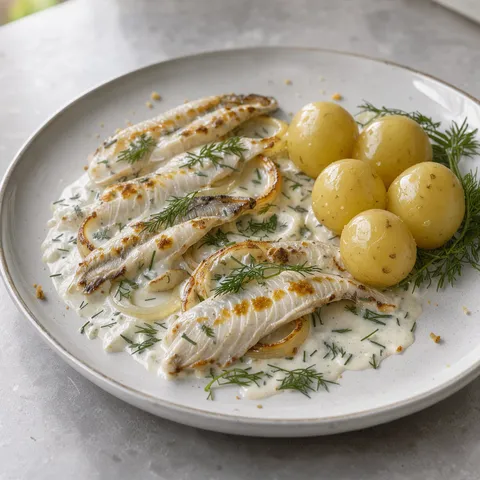 Estonian Baked Sardines with Dill55 min · Main course
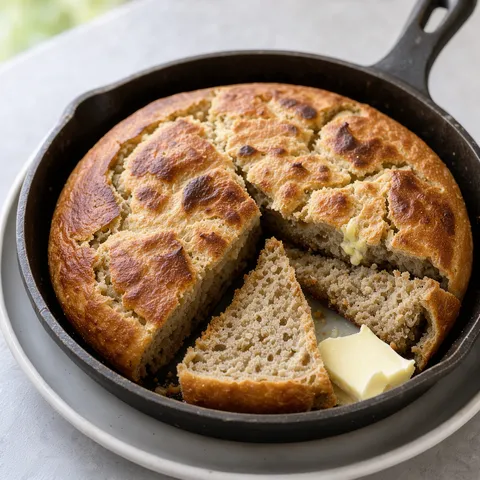 Estonian Barley Soda Bread1 hr 5 min · Bread & pastry
 Estonian Toasted Grain Flour with Kefir45 min · Dessert