Jericalla 2.0
A Mexican dessert. Takes 1 hr 10 min, Serves 4. Difficulty: professional.
At a glance
- Total time
- 1 hr 10 min
- Serves
- Serves 4
- Difficulty
- Professional
- Cuisine
- Mexican cuisine
- Dish type
- Dessert
- Allergens
- Gluten, Milk, Eggs
Ingredients
Thin jericalla
- 400 ml whole milk
- 100 ml double cream
- 1 cinnamon stick
- 1 vanilla pod
- a pinch of salt
- 4 egg yolks and 1 egg
- 70 g sugar
Bain-marie
- about 1 litre boiling water and about 2 litres iced water in a wide container
Crust
- 4 tsp light brown sugar
Buñuelo shards
- 60 g plain flour (+ 1 tsp for rolling)
- 1/4 tsp baking powder
- a pinch of salt
- 1 tsp sugar
- 15 g melted butter
- 30 ml lukewarm water
- 300 ml sunflower oil (about 1 cm deep in a 20 cm pan)
- 1 tsp sugar and 1/2 tsp cinnamon (mixed, for sprinkling)
Piloncillo caramel
- 60 g piloncillo (if unavailable, dark brown sugar)
- 60 ml water
- 40 ml double cream
- a pinch of salt
Mango salsa
- 1 ripe mango (about 300 g)
- zest and juice of 1 lime
- a pinch of salt
- a pinch of hot chilli powder
- 5 mint leaves
Equipment
- Saucepan
- Oven
- Mixing bowls
- Balloon whisk
- Fine sieve / chinois
- Baking tray
- Bain-marie bowl
- Probe thermometer
- Cling film
- Fine grater
- Chef's knife
- Chopping board
- Frying pan
- Rolling pin / oklava
- Colander
- Kitchen blowtorch
Method
- Infuse the milk: Split the vanilla pod and scrape out the seeds. In a pan, heat the milk, cream, cinnamon, vanilla pod and seeds and salt to 80°C, until bubbles form at the edges. Take off the heat, cover and infuse for 10 min. Preheat the oven to 150°C and boil the water for the bain-marie
- Mix and strain the custard: Whisk the yolks, egg and sugar in a bowl without making them foamy. Remove the cinnamon and vanilla and whisk in the warm milk in a thin stream. Strain through a fine sieve into a jug and skim off the foam on the surface
- Bake in shallow dishes: The classic jericalla bakes for 40 min in deep bowls. Here four shallow 12 cm ovenproof porcelain dishes are filled to a depth of about 1.5 cm, so the thin layer cooks in half the time and cools quickly. Put the dishes in a deep tin and pour boiling water to half the height of the dishes. Bake for 18-22 min, until the edges are set, the middle trembles like jelly and the internal temperature reaches 80°C
- Chill over ice: Lift the dishes out of the bain-marie and leave at room temperature for 5 min so they do not crack. Then set them in a wide container filled with about 2 litres of iced water, with the water coming to the middle of the dishes. Leave for 20 min, until the custard has cooled and set completely. Cold custard does not melt under the heat of the blowtorch
- Make the buñuelo dough: While the custard bakes, mix the flour, baking powder, salt and sugar, add the melted butter and lukewarm water and knead for 3 min to a smooth dough. Wrap in cling film and rest for 10 min
- Cook the piloncillo caramel: In a small pan, melt the piloncillo with the water over medium heat and boil for 3-4 min, until the bubbles are large and heavy. Reduce the heat, whisk in the cream and salt and boil for 1 min more. The consistency should run slowly off the back of a spoon. It thickens as it cools, so keep it warm
- Cut the mango salsa: Peel the mango, cut the flesh off either side of the stone and dice into even 4 mm cubes. Finely grate the lime zest over it with a microplane and add the juice, salt and chilli powder. Cut the mint into fine strips and fold in just before serving. It is the plated version of the mango slices sold on Mexican streets with lime, salt and chilli
- Fry the buñuelo shards: Heat the oil in a 20 cm pan to 180°C. Halve the dough and roll each piece on a lightly floured worktop into a thin, translucent 18 cm sheet. Lay the sheets in the oil one at a time, and when they puff and turn golden after 40 sec, turn with a slotted spoon and fry for 20 sec more. Drain on kitchen paper and sprinkle with cinnamon sugar while hot. When cool, break by hand into irregular palm-sized pieces
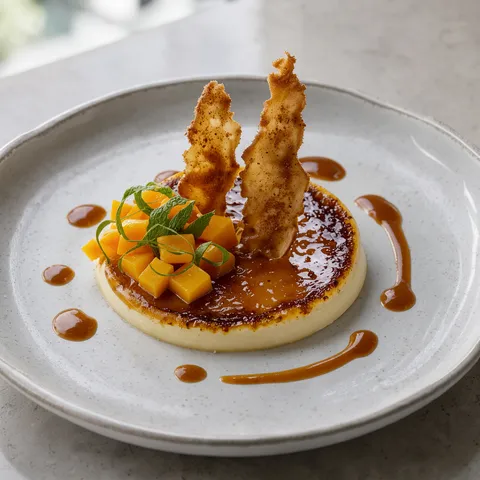
- Torch the crust: Gently pat the surface of the cold jericallas dry with kitchen paper. Sprinkle 1 tsp brown sugar thinly and evenly over each. Hold the blowtorch 5 cm from the surface and move it in circles: the sugar melts, bubbles and turns into a dark amber glass crust. The blistered top of the classic, browned in the oven, becomes a crackling caramel crust here. Leave for 2 min to harden
- Plate up: Set a jericalla in its dish in the middle of the serving plate. Pile a spoonful of mango salsa on one side of the crust. On the other side, stand two buñuelo shards upright, stuck into the crust. On the empty part of the plate, make drops and a short streak of warm piloncillo caramel from a spoon. Serve at once, as moisture softens the caramel crust within minutes
Chef's note
The cinnamon-and-vanilla egg custard of the classic jericalla is kept, but it is baked in a shallow dish for a short time and chilled quickly over ice. The classic's blistered top browned under the grill becomes a glassy caramel crust with a blowtorch. Three accompaniments from the same cuisine come alongside: the thin, crisp shards of Buñuelos de Rodilla con Miel de Piloncillo (Fried Dough) from this site, the milky caramel of piloncillo and the lime, salt and chilli mango of Mexican streets. Serves 4.
Frequently asked questions
- Why is jericalla baked in shallow dishes?
- Classic jericalla is baked in deep bowls. Here the dishes are filled to about 1.5 cm, and a thin layer cooks quickly and cools quickly.
- How is the blowtorch used for the crust?
- Dry the surface of the cold jericalla and sprinkle a thin layer of brown sugar. Move the blowtorch in circles 5 cm from the surface.
- Why should the caramel crust be served immediately?
- The caramel crust softens with moisture within a few minutes. So after torching, leave it a short while to harden and serve at once.
 Guadalajara Custard with Toasted Top1 hr 15 min · Dessert
 Corn Tortillas1 hr 15 min · Bread & pastry
 Guacamole25 min · Meze
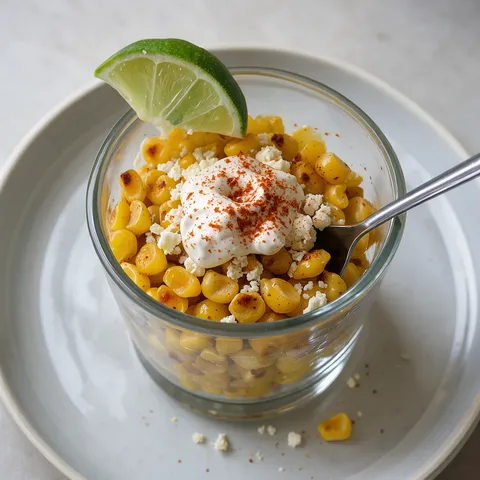 Mexican Corn in a Cup35 min · Meze
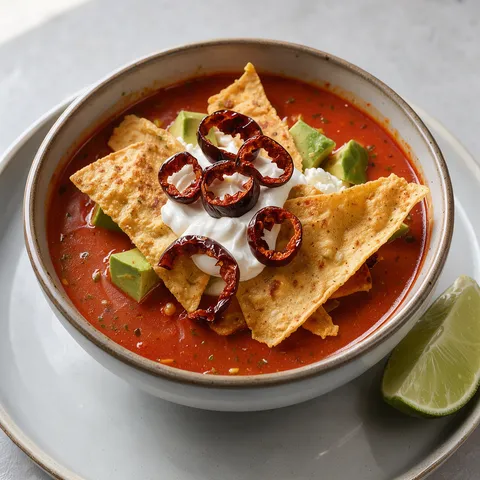 Mexican Tortilla Soup1 hr · Soup
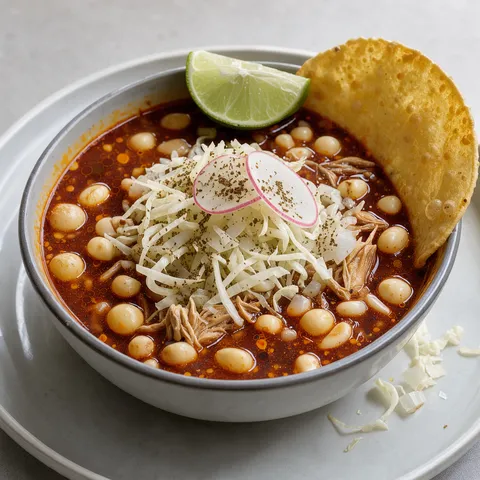 Red Chicken and Hominy Stew2 hr · Soup
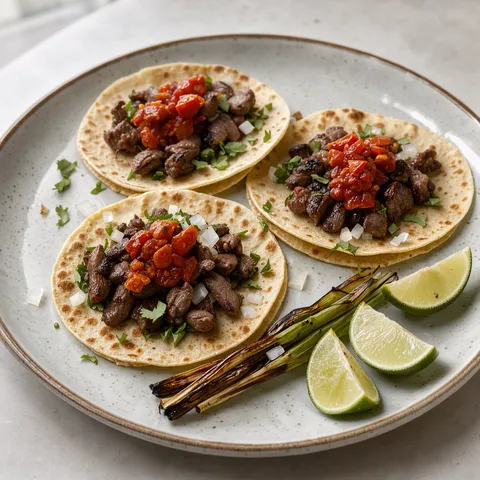 Chargrilled Beef Tacos1 hr · Main course