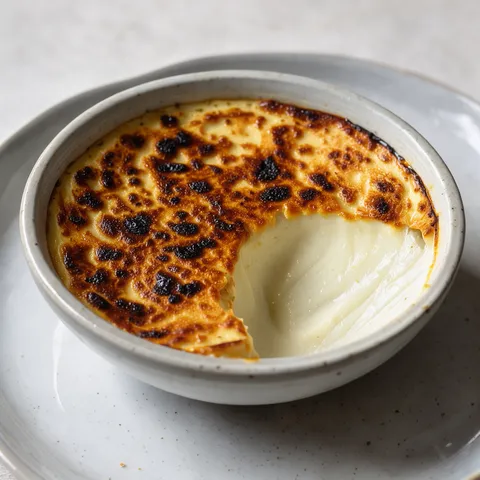
Guadalajara Custard with Toasted Top Jericalla
A Mexican dessert. Takes 1 hr 15 min · +1 hr 30 min chilling, Serves 4. Difficulty: challenging.
At a glance
- Total time
- 1 hr 15 min · +1 hr 30 min chilling
- Serves
- Serves 4
- Difficulty
- Challenging
- Cuisine
- Mexican cuisine
- Dish type
- Dessert
- Diet
- Vegetarian, Gluten-free
- Allergens
- Milk, Eggs
Ingredients
Custard
- 500 ml whole milk
- 1 cinnamon stick
- 1 vanilla pod or 1 tsp vanilla extract from Vanilla Sugar and Vanilla Extract (Basics)
- a pinch of salt
- 3 eggs and 1 egg yolk
- 100 g sugar
Bain-marie
- about 1 litre boiling water
Equipment
- Saucepan
- Oven
- Baking tray
- Bain-marie bowl
- Mixing bowls
- Balloon whisk
- Fine sieve / chinois
- Probe thermometer (optional)
- Kitchen blowtorch (optional)
Method
- Infuse the milk: Split the vanilla pod lengthways and scrape out the seeds with the tip of a knife. In a pan, heat the milk, cinnamon stick, vanilla pod and seeds and salt over medium heat to about 80°C, until small bubbles form at the edges. Do not boil, as boiling milk forms a skin. Take off the heat, cover and infuse for 15 min. The cinnamon and vanilla slowly pass into the milk during this time
- Prepare the oven and bain-marie: Preheat the oven to 160°C. Set four 180 ml ovenproof porcelain bowls in a deep roasting tin. Boil the water for the bain-marie
- Whisk the eggs: In a bowl, whisk the eggs, yolk and sugar with a whisk for 1 min, until the sugar dissolves and the mixture turns pale yellow. Do not try to make it foamy, as air bubbles leave holes in the custard
- Temper: Remove the cinnamon stick and vanilla pod from the milk. Pour the warm milk onto the eggs in a thin stream, whisking constantly. Milk added slowly warms the egg without cooking it
- Strain: Strain the mixture through a fine sieve into a jug or a bowl with a spout. Skim off the foam left on the surface with a spoon. Straining removes strands of cooked egg and leftover clumps of vanilla seeds, so the custard is smooth
- Fill and set in the bain-marie: Divide the mixture equally between the four bowls, about 170 ml in each. Put the tin on the oven shelf and pour boiling water into the tin until it comes halfway up the outside of the bowls. The water prevents the edges of the custard from overheating and puffing up into a porous texture
- Bake: Bake for 35-40 min, until the edges are set and the middle trembles like jelly when gently shaken. A thermometer inserted in the middle should read 80°C
- Brown under the grill: Carefully lift the bowls out of the bain-marie onto a dry tray. Set the oven to grill at the highest heat and put the tray on the top shelf. Grill for 4-6 min, until dark brown, almost black spots form on the surface. This blistered crust is the identity of jericalla, so do not take your eyes off it, as it can char in seconds. If your oven has no grill, brown the surface with a blowtorch, holding the flame 5 cm away and moving it in circles
- Chill: Cool the bowls at room temperature for 30 min, then chill in the fridge for at least 1 hr. Serve cold or cool
Chef's note
Jericalla is said to have been invented in the 19th century in an orphanage in Guadalajara by a nun who wanted to make a nourishing dessert for the children. Its name is said to derive from a nun from the Spanish town of Jérica, but this is not certain. It is a dessert between a flan and a crème brûlée: it has no caramel, and the top is browned by grill heat rather than sugar. It is sold cold in small clay bowls on the streets of Guadalajara. The custard keeps covered in the fridge for 2 days. Makes 4.
Frequently asked questions
- Why does jericalla turn out holey and porous?
- Without a bain-marie the edges of the custard overheat, puff up and turn porous. Also don't try to whisk the eggs to a foam, as air bubbles leave holes in the custard.
- What if I have no oven grill to toast the top?
- Move a blowtorch in circles with the flame held 5 cm away. Dark brown, in places almost black spots should form. Don't take your eyes off it, as it can char in seconds.
- How do I know the jericalla is cooked?
- The edges should be set and the centre should wobble like jelly when shaken. A thermometer pushed into the centre should read 80°C.
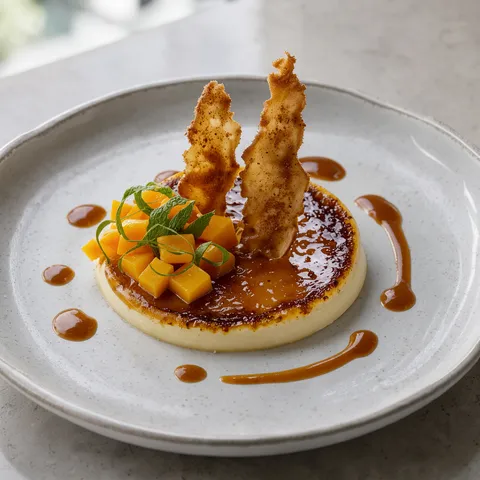 Jericalla 2.01 hr 10 min · Dessert
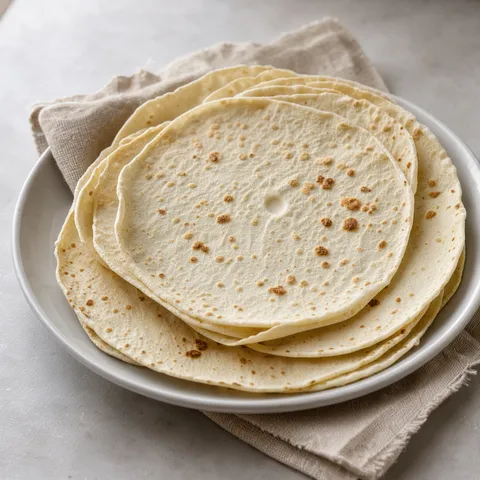 Corn Tortillas1 hr 15 min · Bread & pastry
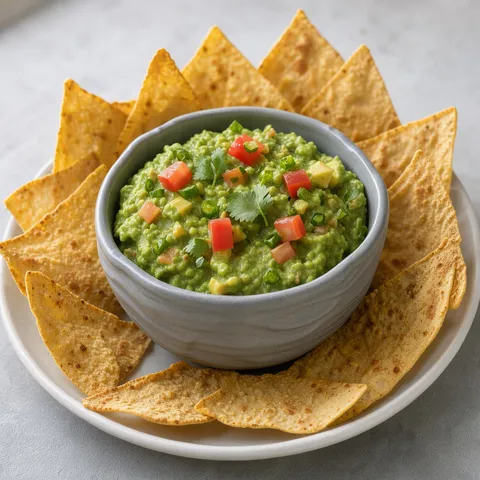 Guacamole25 min · Meze
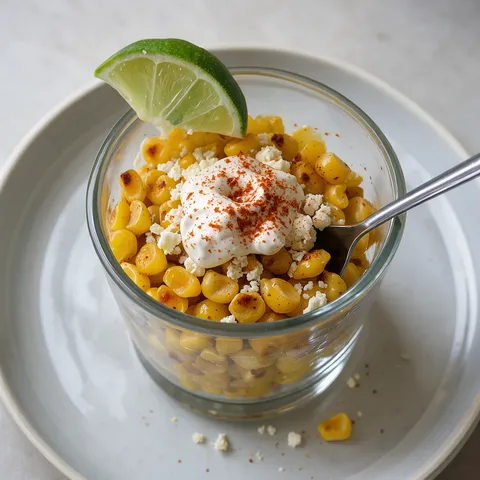 Mexican Corn in a Cup35 min · Meze
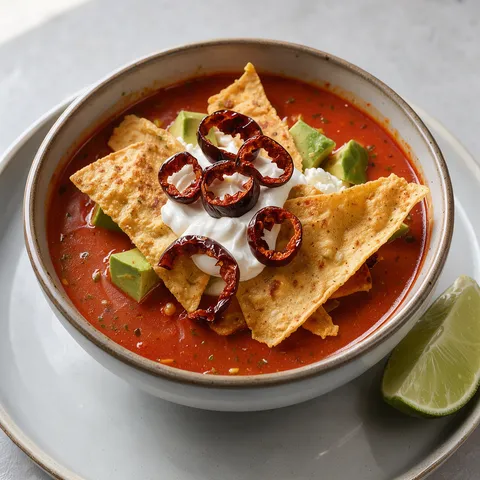 Mexican Tortilla Soup1 hr · Soup
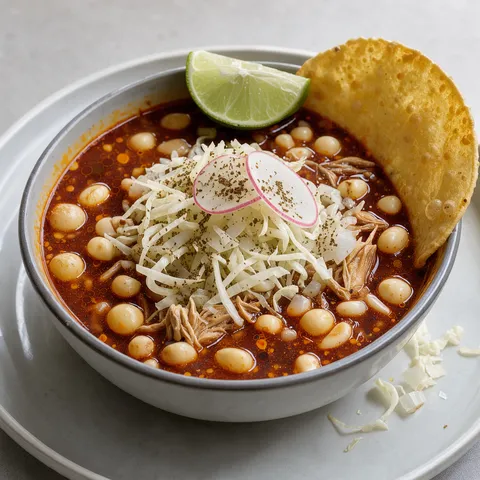 Red Chicken and Hominy Stew2 hr · Soup
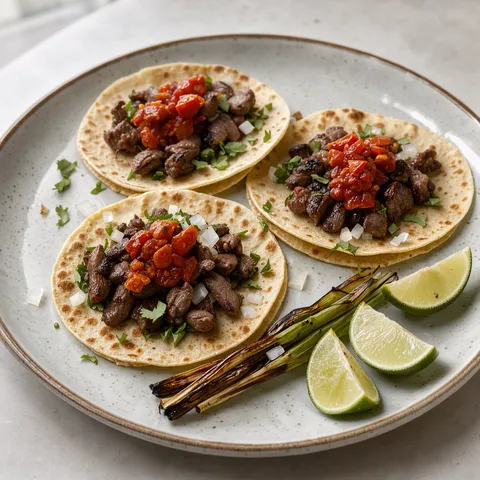 Chargrilled Beef Tacos1 hr · Main course