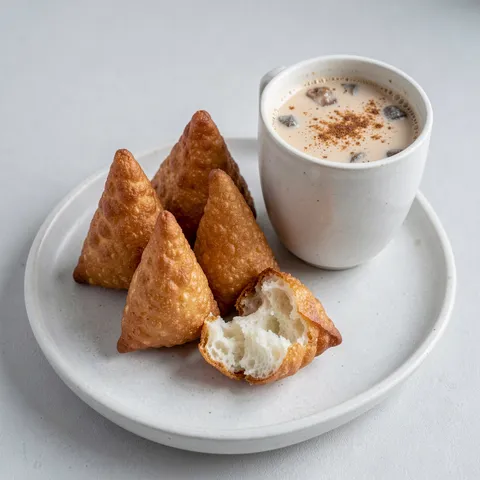
Kenyan Coconut and Cardamom Doughnuts Mandazi
A Kenyan bread & pastry. Takes 1 hr 30 min, 16 pieces (4 servings). Difficulty: challenging.
At a glance
- Total time
- 1 hr 30 min
- Serves
- 16 pieces (4 servings)
- Difficulty
- Challenging
- Cuisine
- Kenyan cuisine
- Dish type
- Bread & pastry
- Allergens
- Gluten, Milk, Eggs, Tree nuts
Ingredients
- Makes 16 (serves 4)
Coconut milk
- 120 g desiccated coconut
- 300 ml hot water (about 70°C)
Dough
- 500 g plain flour
- 80 g caster sugar
- 2 tsp baking powder
- 1 tsp freshly ground cardamom (from 8-10 cardamom pods)
- 1/4 tsp salt
- 1 egg
- 40 g melted butter
- 230-250 ml coconut milk (from above)
Frying
- 1 litre sunflower oil
To serve
- Kenyan-style milky tea (chai)
Equipment
- Blender
- Muslin
- Mixing bowls
- Pestle and mortar
- Rolling pin / oklava
- Chef's knife
- Heavy-based saucepan
- Probe thermometer
- Colander
- Baking tray
- Balloon whisk (optional)
Method
- Press the coconut milk: Put the desiccated coconut and hot water in a blender, leave for 10 min, then blend on high for 1 min. Pour the mixture into a muslin-lined bowl and twist the muslin to squeeze it thoroughly. You should have about 250 ml of thick white milk. Let it cool to lukewarm, 35-40°C, before it goes into the dough, and prepare the cardamom and dry mix while it cools
- Prepare the cardamom: Crack the pods in a pestle and mortar, separate the black seeds and grind them to a fine powder. Freshly ground cardamom smells far more floral than ready-ground and is the signature aroma of mandazi
- Dry mix: Put the flour, sugar, baking powder, cardamom and salt in a large bowl and mix by hand or with a whisk. If the baking powder is unevenly distributed, the dough tastes slightly bitter in places
- Knead the dough: Make a well in the centre and pour in the egg, melted butter and most of the coconut milk. Bring together with your fingertips, working from the centre outwards, adding the rest of the milk if needed. Knead on the worktop for 8-10 min to a smooth dough that no longer sticks to your hands, soft and pliable like an earlobe
- Rest: Return the dough to the bowl, cover with a damp cloth and rest at room temperature for 30 min. The gluten in rested dough relaxes, so it does not spring back when rolled and puffs evenly when fried
- Roll out and cut: Divide the dough into four balls. Roll each out on a lightly floured worktop with a rolling pin into a round 1 cm thick and about 13 cm across. Cut each round crosswise into four triangles with a knife, 16 pieces in total. The thickness matters: thinly rolled mandazi do not puff and turn hard
- Heat the oil: Put at least 6 cm of oil in a deep, heavy-based saucepan and bring it to 170°C on a thermometer. If the oil is hotter, the outside darkens at once and the inside stays raw, and if it is cooler, the dough soaks up oil
- Fry: Fry 3-4 pieces at a time. The dough first sinks to the bottom, then rises to the surface within a few seconds and puffs up like a balloon. Fry for 2-3 min on each side until deep golden, turning once with a slotted spoon. Let the oil return to 170°C between batches
- Drain and check: Transfer the mandazi to a tray lined with kitchen paper. Break the first one open to check: the inside should be as soft as cotton wool, slightly airy and fully cooked. If it is still doughy, lower the oil temperature by 5°C and fry for longer
- Plate: Arrange the hot mandazi on a plate, standing the triangles upright side by side, and serve with a cup of spiced milky tea. They are also good warm or at room temperature
Chef's note
Mandazi are the breakfast and teatime fried dough of East Africa's Swahili coast, sold hot every morning on street corners all over Kenya. On the coast they are made with coconut milk and yeast, inland with milk and baking powder, and here the quicker coastal version with baking powder was chosen. Homemade pressed coconut milk is used instead of tinned. They freshen up when gently warmed in a frying pan the next day.
Frequently asked questions
- Why don't my mandazi puff up and why are they hard?
- The most common cause is rolling the dough too thin. It should be about 1 cm thick, as thinly rolled mandazi don't puff up and turn hard.
- What temperature should the oil be for mandazi?
- Bring the oil to 170°C with a thermometer. If hotter, the outside darkens at once and the inside stays raw, and if cooler the dough soaks up oil.
- How do I know mandazi are cooked inside?
- Cut the first mandazi in half to check. The inside should be fluffy, lightly airy and fully cooked. If it is doughy, lower the oil by about 5°C and fry for longer.
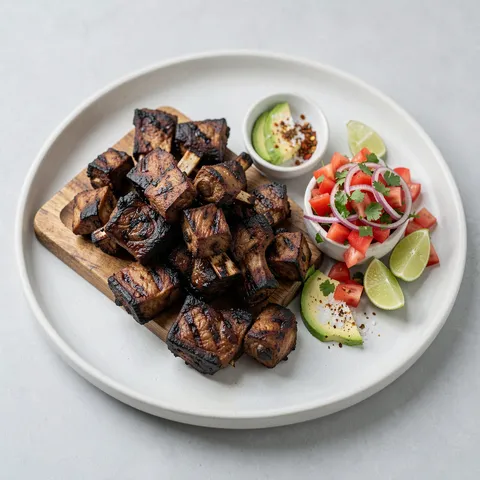 Nyama Choma and Kachumbari2 hr 15 min · Main course
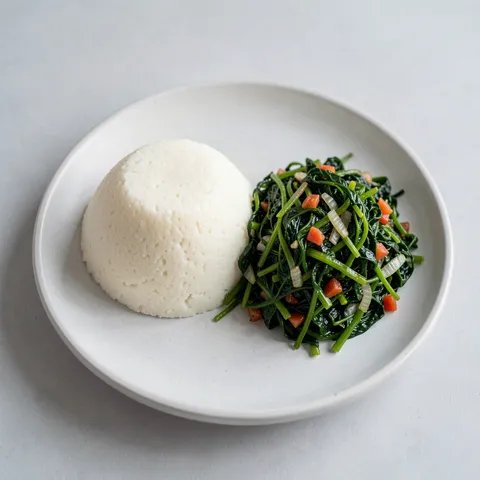 Ugali and Sukuma Wiki50 min · Side dish
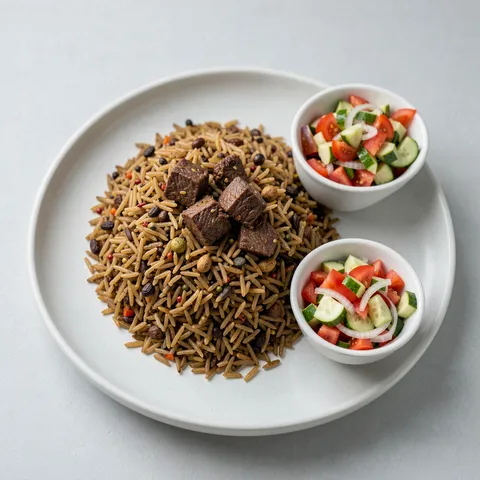 Kenyan Pilau1 hr 50 min · Main course
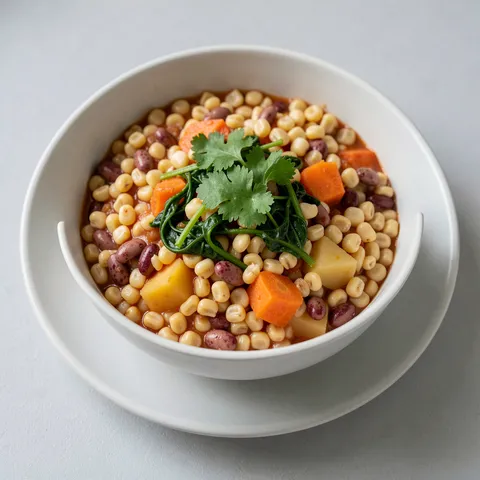 Kenyan Maize and Bean Stew2 hr · Main course
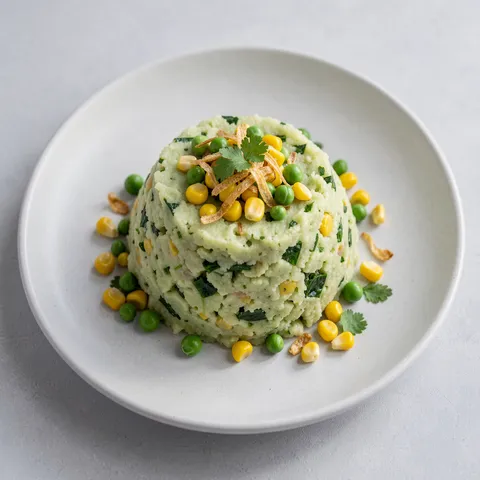 Kenyan Green Potato Mash50 min · Side dish
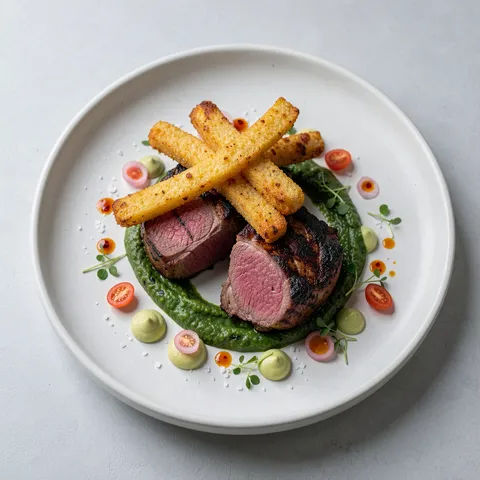 Nyama Choma 2.01 hr 30 min · Main course