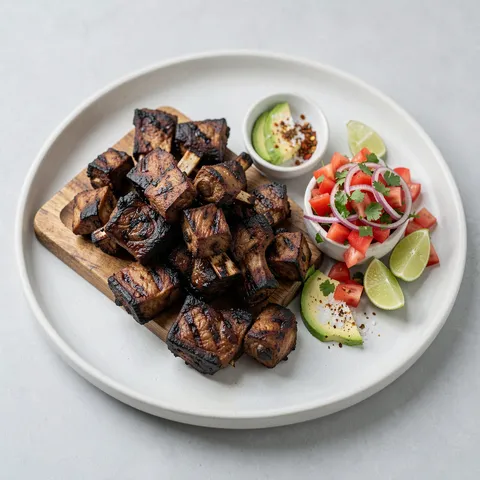
Nyama Choma and Kachumbari Kenyan Barbecued Goat and Salad
A Kenyan main course. Takes 2 hr 15 min, Serves 4. Difficulty: medium.
At a glance
- Total time
- 2 hr 15 min
- Serves
- Serves 4
- Difficulty
- Medium
- Cuisine
- Kenyan cuisine
- Dish type
- Main course
- Diet
- Gluten-free
- Allergens
- Milk, Celery
Ingredients
Meat
- 1.6 kg bone-in goat ribs and shoulder (if goat is unavailable, lamb ribs and shoulder, about 200 g boneless meat per person)
- 2 tsp coarse sea salt
- 1 tsp freshly ground black pepper
- 2 tbsp sunflower oil
Salted lemon water
- juice of 2 lemons
- 100 ml lukewarm water
- 1 tsp salt
Kachumbari
- 4 ripe but firm tomatoes (about 500 g)
- 1 large red onion
- 1 fresh green chilli
- 1/2 bunch coriander
- juice of 1 lemon
- 1/2 tsp salt
- 1 tbsp olive oil (optional)
To serve
- 1 ripe avocado (optional)
- 1 lemon (sliced)
- a mix of 1 tsp chilli flakes and 1/2 tsp salt
Equipment
- Charcoal barbecue
- Chef's knife
- Chopping board
- Mixing bowls
- Baking tray
- Probe thermometer (optional)
Method
- Light the fire: Light the charcoal in the barbecue and wait 25-30 min, until the coals are covered in a thin layer of white ash. Pile the coals on one half of the barbecue and leave the other half empty. The hot zone is for searing and colour, the cooler zone for slowly cooking the ribs through. Set the grill rack about 20 cm above the coals: if you can hold your hand over it for 5-6 sec, the heat is medium
- Prepare the meat: Cut the ribs between the bones into pieces of 3-4 bones and the shoulder into thick 5-6 cm pieces. Pat thoroughly dry with kitchen paper, as wet meat steams over the coals and does not colour. Rub lightly with oil and press the salt and pepper onto every side. The essence of nyama choma is simplicity: no marinade, just salt, fire and time
- Slow-cook: Arrange the meat bone side down in the cooler zone and cover loosely with an upturned baking tray: the trapped hot air softens the tough connective tissue of the goat. Cook for 80-90 min, turning every 10-15 min. Goat is much leaner and more fibrous than lamb and stays tough if rushed. If dripping fat flares up, slide the meat to the empty zone for a few seconds, as soot from the flames blackens the meat and makes it bitter. Move on to the next stage when the meat has shrunk back to expose about 1 cm of the bone ends and comes away easily from the bone with a fork. The internal temperature should be 85-90°C. If using lamb, the time drops to 50-60 min
- Baste with salted lemon water: Mix the lemon juice, lukewarm water and salt. In the last 15 min of cooking, lift off the tray and sprinkle a spoonful of the mixture over the meat each time you turn it. With this method, which some choma cooks also use, the surface stays moist, the salt sets into a thin crust and the surface fat does not burn and turn bitter
- Sear: In the last 5 min, move the meat to the hot zone and sear for 1-2 min on each side, until the edges are deep brown and slightly crisp. You are looking not for black burnt patches but for a deep caramel-coloured crust, blistered in places
- Make the kachumbari: While the meat is on the fire, slice the onion very thinly into half-rings, rub with 1/2 tsp salt with your fingers for 1 min and leave for 5 min, then rinse in cold water and squeeze. This takes away the onion's sharp bite but keeps its crunch. Halve the tomatoes, scoop out the watery seeds with a spoon and cut the flesh into 1 cm dice. Deseed and finely chop the chilli and roughly chop the coriander. Mix everything with the lemon juice and olive oil and season to taste. Leave for no more than 15 min before serving: salad left longer turns watery and the tomatoes soften
- Rest and chop: Take the meat off the grill and rest on a chopping board for 5 min, so the juices settle back into the fibres. For Kenyan-style serving, chop the ribs between the bones and the shoulder into 3-4 cm bite-sized pieces with a sharp knife
- Plate: Pile the chopped meat in the centre of a wooden board or large platter. Put a generous heap of kachumbari on one side and arrange the thinly sliced avocado and the lemon slices on the other. Put the salt and chilli flake mix in a small dish: at the table every bite of meat is dipped into it. Serve hot
Chef's note
In Nairobi nyama choma is a weekend ritual: the meat is chosen by the kilo at the butcher's, cooked over the coals before your eyes and brought to the table chopped on a board. It almost always comes with ugali and kachumbari, and ugali has its own recipe on this site, Ugali and Sukuma Wiki (Kenyan Maize Porridge and Kale). Goat is the classic choice, and beef ribs are common too. Do not swap the bone-in meat for thin cuts: the bone spreads the heat slowly and keeps the meat juicy.
Frequently asked questions
- Why isn't nyama choma marinated?
- The essence of nyama choma is simplicity: no marinade, just salt, black pepper, fire and time. Rub the meat lightly with oil and press salt and pepper onto every side.
- How do you stop kachumbari going watery?
- Scoop out the seeded, watery part of the tomatoes with a spoon and leave the salad for no more than 15 minutes before serving. If it waits longer, it turns watery and the tomatoes soften.
- What can I use instead of goat?
- If you can't find goat, use lamb ribs and shoulder. With lamb, the cooking time drops to 50 to 60 minutes.
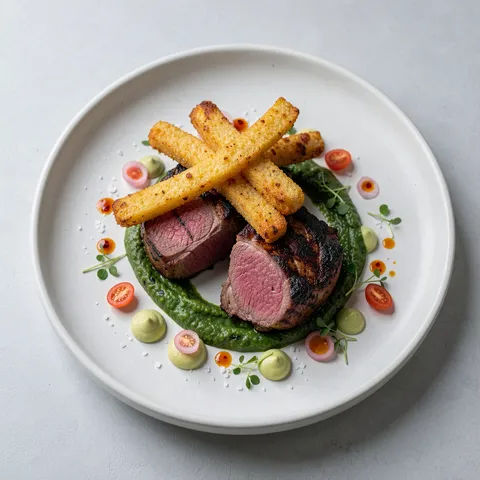 Nyama Choma 2.01 hr 30 min · Main course
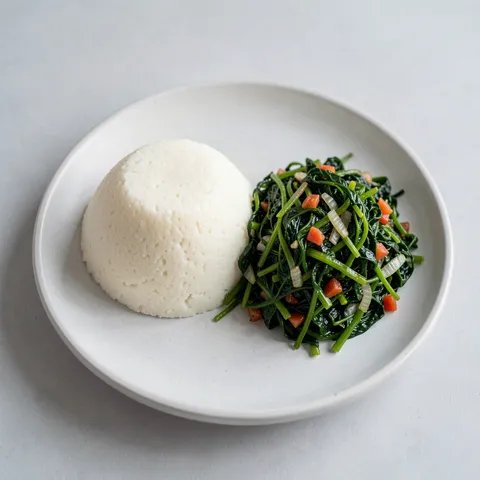 Ugali and Sukuma Wiki50 min · Side dish
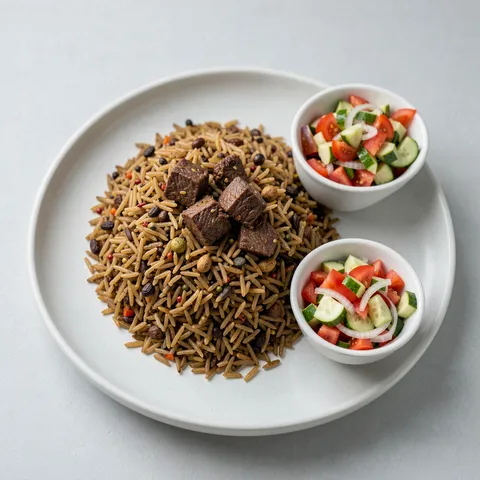 Kenyan Pilau1 hr 50 min · Main course
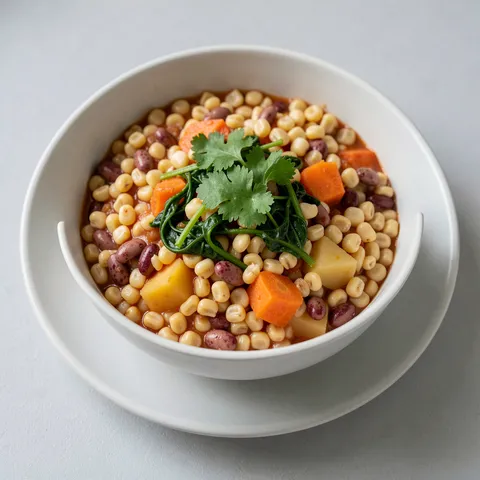 Kenyan Maize and Bean Stew2 hr · Main course
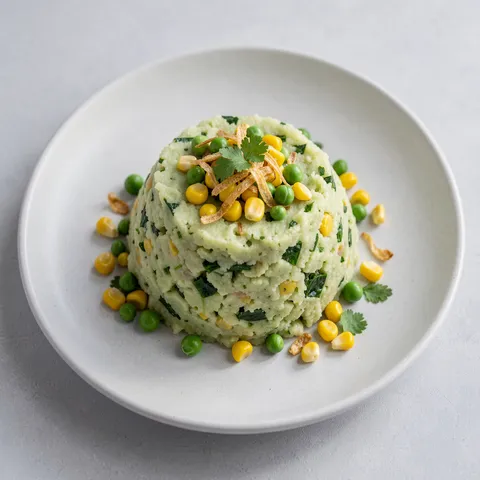 Kenyan Green Potato Mash50 min · Side dish
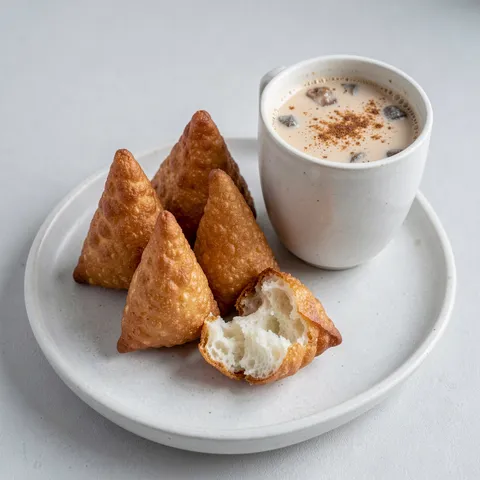 Kenyan Coconut and Cardamom Doughnuts1 hr 30 min · Bread & pastry
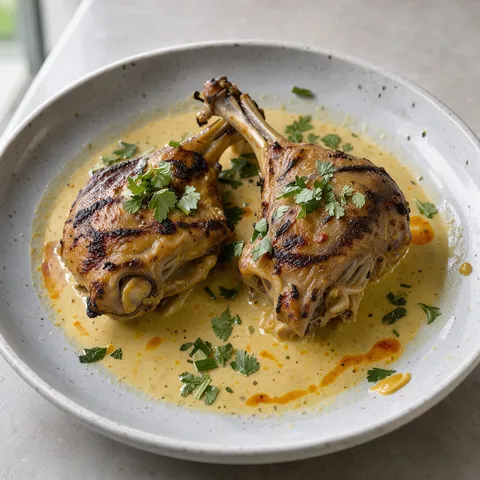 Chargrilled Chicken in Coconut Sauce1 hr 15 min · Main course