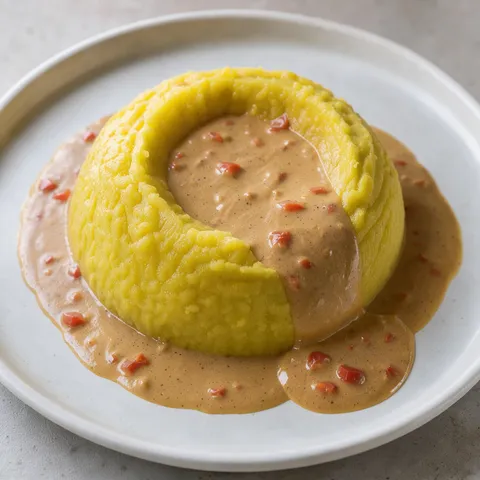
Matooke and Binyebwa Mashed Green Bananas, Peanut Sauce
An Ugandan main course. Takes 1 hr 15 min, Serves 4. Difficulty: medium.
At a glance
- Total time
- 1 hr 15 min
- Serves
- Serves 4
- Difficulty
- Medium
- Cuisine
- Ugandan cuisine
- Dish type
- Main course
- Diet
- Vegetarian, Vegan, Gluten-free
- Allergens
- Peanuts
Ingredients
Matooke
- 12 green cooking bananas (matooke) or 6 green plantains (about 1.6 kg in total with skins)
- 1 tsp salt
- 2-3 banana leaves or baking paper
- 1 tbsp sunflower oil (for your hands)
Binyebwa
- 200 g raw shelled peanuts
- 500 ml cold water
- 1 onion (finely chopped)
- 2 ripe tomatoes (grated)
- 1/2 tsp salt
- 1/4 tsp black pepper
- 150 ml hot water (as needed)
Equipment
- Paring knife
- Mixing bowls
- Steamer basket
- Frying pan
- Food processor
- Balloon whisk
- Heavy-based saucepan
- Wooden spoon / spatula
- Potato masher
- Ladle
- Baking paper (optional)
Method
- Peel the bananas: Oil your hands, as the sap in green banana skins sticks to them and leaves stains. Cut off the ends of the bananas, score the skin lengthways with a paring knife and lift it off with the tip of the knife. Drop the peeled bananas into cold salted water, as banana exposed to the air turns dark
- Steam: Drain the bananas and wrap them in a banana leaf or baking paper like a parcel. Put the parcel in a steamer basket and cook, covered, over boiling water for 35-40 min. They're ready when they turn pale yellow and a knife slides in without resistance. In Uganda matooke is steamed for hours wrapped in leaves, on a bed of banana stems laid in the base of the pot
- Toast the peanuts: While the bananas cook, toast the peanuts in a dry frying pan over a medium heat for 8-10 min, shaking constantly, until pale golden. Let cool, then rub off the skins between your palms
- Grind the peanuts: Pulse the peanuts in a food processor for 30-40 sec to a fine flour. It shouldn't become a paste: binyebwa is made from peanut flour, which gives a smooth sauce when loosened with water
- Start the sauce: Whisk the peanut flour with the 500 ml cold water in a bowl to a smooth mixture. Loosening it with cold water prevents lumps, while peanut flour dropped straight into hot water goes lumpy. Transfer the mixture to a heavy-based saucepan and add the onion, tomato, salt and pepper
- Slow-cook: Bring to the boil over a medium heat, stirring constantly, then lower the heat and cook with the lid ajar for 30 min. Peanut sauce tends to boil over and catch, so scrape the base with a wooden spoon every 5 min. It's ready when the raw peanut taste has gone, a glossy layer of oil appears on the surface and it pours heavily from the ladle like a thick soup. If it thickens too much, add hot water
- Mash the bananas: Open the parcel and mash the bananas with the salt using a potato masher to a smooth, bright yellow, slightly sticky purée. In Uganda this is done inside the leaf parcel by pressing it with the palms. Wrap the purée back up in the parcel and keep it over the steam for another 10 min so it firms up and stays hot
- Plate: Put a dome of matooke on each plate and make a hollow in the top with the back of a spoon. Pour plenty of binyebwa into the hollow and around it, letting some of the sauce spill onto the plate
- Serve: Serve hot. In Uganda matooke is mostly eaten by hand or with a spoon, swept through the sauce, and may come with luwombo or chargrilled meat
Chef's note
Matooke is the national staple of Uganda, and in many parts of the country the word for food simply means matooke. If you can't find green cooking bananas use green plantains, but sweet yellow bananas won't work. Some households add smoked fish or dried mushrooms to binyebwa. It is important to cook the peanut sauce for long enough: undercooked sauce is hard to digest and leaves a raw taste.
Frequently asked questions
- Why are hands oiled when peeling green bananas?
- The resin in the skin of green bananas sticks to your hands and stains. Oiling your hands prevents this.
- Why are the peeled bananas put in salted water?
- Bananas turn dark when exposed to air. Bananas put in cold salted water keep their colour.
- Why is binyebwa made by loosening the peanut flour with cold water?
- Loosening with cold water prevents lumps. Peanut flour thrown straight into hot water turns lumpy.
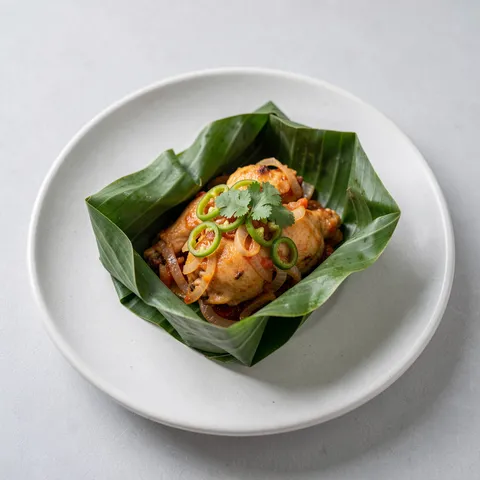 Chicken Steamed in Banana Leaves2 hr 15 min · Main course
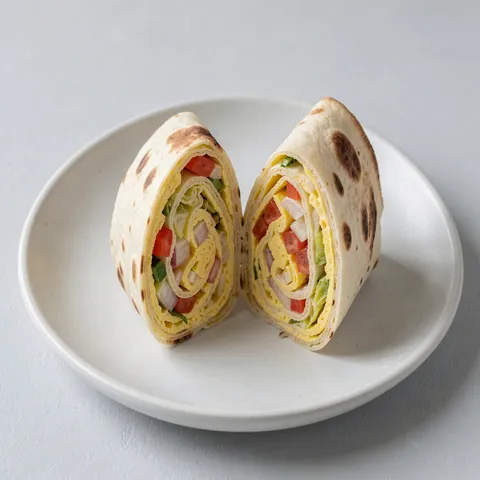 Ugandan Chapati and Omelette Roll1 hr 15 min · Bread & pastry
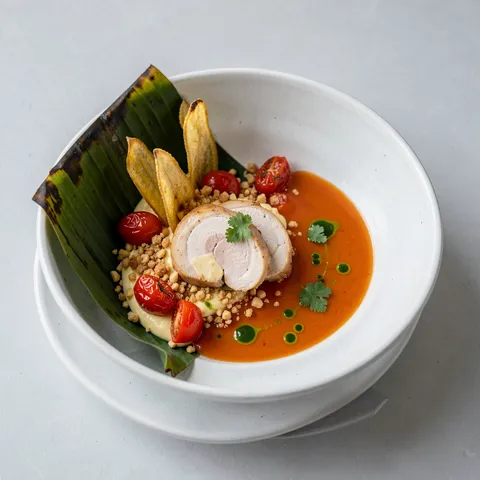 Luwombo 2.01 hr 15 min · Main course
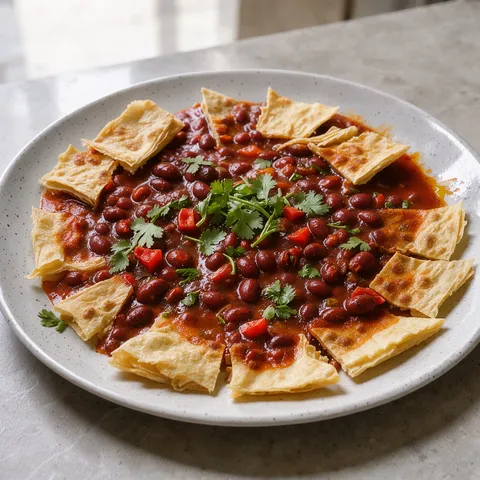 Ugandan Chapati with Spiced Beans1 hr 20 min · Main course
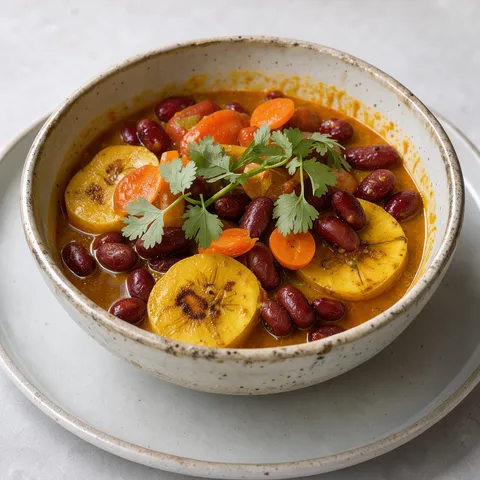 Ugandan Plantain and Bean Stew1 hr 3 min · Main course
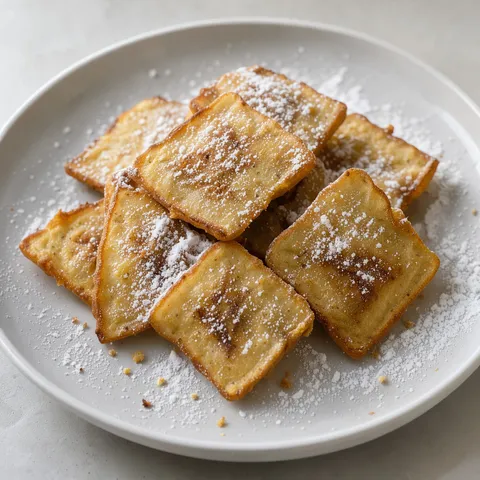 Ugandan Fried Banana Dough Diamonds40 min · Bread & pastry