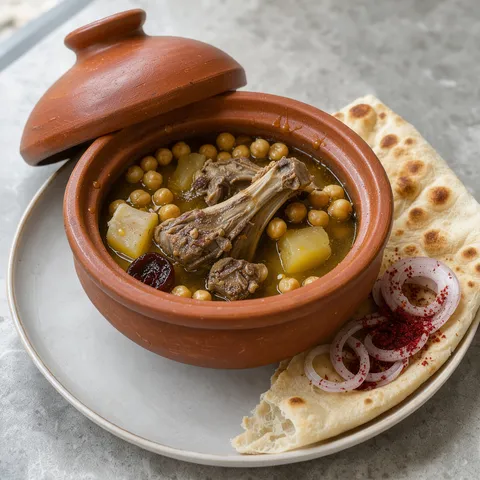
Sheki-Style, Cooked in Clay Pots Piti
An Azerbaijani soup. Takes 4 hr 45 min · +overnight chickpea soaking, 4 servings (4 dopu). Difficulty: challenging.
At a glance
- Total time
- 4 hr 45 min · +overnight chickpea soaking
- Serves
- 4 servings (4 dopu)
- Difficulty
- Challenging
- Cuisine
- Azerbaijani cuisine
- Dish type
- Soup
- Allergens
- Gluten, Milk
Ingredients
Meat and base (for 4 dopu)
- 800 g bone-in lamb (neck, shoulder or breast, 4 equal pieces)
- 120 g dried chickpeas (soaked overnight)
- 120 g lamb tail fat (4 pieces)
- 1 medium onion (roughly chopped)
- 1.2 litres water
Sheki additions
- 8 chestnuts (roasted, peeled)
- 8 dried alcha (sour dried plums)
- 1 tsp salt
- 1/2 tsp black pepper
Saffron
- 0.5 g saffron
- 3 tbsp hot water
To serve
- 1 onion (thin half-moons, rubbed with sumac)
- 1 tsp dried mint
- sumac
- stale lavash or tandoor bread
Equipment
- 4 piti dopu (400-500 ml clay bowls) or 1 large clay casserole
Equipment
- Pestle and mortar
- Oven
- Pressure cooker (optional)
Method
- Soak the chickpeas: Soak the chickpeas overnight in plenty of water, then drain and press one between your fingers to check the firmness of the skin. Chickpeas that have not soaked properly stay hard despite long cooking
- Steep the saffron: Pound the saffron in a mortar, add the hot water and leave to steep for at least 30 min
- Fill the dopu: Put a handful of chickpeas in the bottom of each dopu. Add a piece of lamb and a few pieces of onion. Top with a piece of tail fat. This order is the traditional Sheki way: the fat on top melts and drips over the meat and chickpeas, so the meat does not dry out
- Add the water: Add about 300 ml water to each dopu: the meat should be fully covered. Do not add salt yet. Cover the tops with foil or their lids
- Slow-cook: Put the dopu in a cold oven and set it to 160°C: clay pots crack with sudden changes in temperature. Cook for 3 hr, skimming off the foam that collects on the surface once during this time
- Add the chestnuts and alcha: Add 2 chestnuts and 2 alcha to each dopu and season with salt and pepper. Cover and cook for another 1 hr. Chestnuts added earlier fall apart, while the alcha sets the sour balance of the cooking liquid
- Finish with saffron: Add 1 dessertspoon of saffron water to each dopu, cover and cook for a final 15 min. The meat should have come away from the bone, the chickpeas should melt in the mouth, and the surface of the cooking liquid should be golden with a glossy layer of fat
- Rest: Leave the dopu, lids on, on a wooden surface for 10 min after taking them out of the oven. A hot clay pot placed on cold marble can crack
- Plate and serve in two stages: Set a dopu, a deep plate and a small bowl of sumac onions in front of each person. First tear the stale bread into small pieces on the plate, sprinkle with sumac, pour the cooking liquid from the dopu over the bread and sprinkle with dried mint. This first stage (bread with the cooking liquid) is eaten with a spoon. Then the meat, chickpeas, chestnuts and tail fat from the dopu are tipped onto the same plate, roughly mashed with a fork and eaten with the sumac onions as the second stage
Chef's note
Piti is the identity of Sheki; it is cooked in single-portion clay pots called dopu, which used to be left in the embers all night. Chestnuts set Sheki piti apart from the other pitis of the Caucasus. Do not leave out the tail fat: piti is a rich dish, and the sumac onions cut through the richness. If you have no oven, you can also cook the dopu on the hob over the lowest heat with a heat diffuser underneath. If you are short of time, pre-cook the meat, chickpeas and onion in a pressure cooker for 40 min, divide between the dopu and finish in the oven at 160°C with the chestnuts and alcha for 1 hr. This brings the total time down to about 2 hr 15 min, but the depth of slow cooking in clay is reduced. Serves 4.
Frequently asked questions
- Why are the piti dopus put in a cold oven?
- Clay pots crack with sudden temperature changes. That's why the dopus go into a cold oven and the oven is then set to 160°C.
- Why are the chestnuts and alcha added later?
- Chestnuts fall apart if added earlier. The alcha balances the sourness of the broth and is added after 3 hours and cooked for 1 more hour.
- How is piti eaten?
- It is eaten in two stages. First tear stale bread into a bowl, soak it with the broth from the dopu and eat it with a spoon, then mash the meat, chickpeas, chestnuts and tail fat with a fork and eat them with sumac onion.
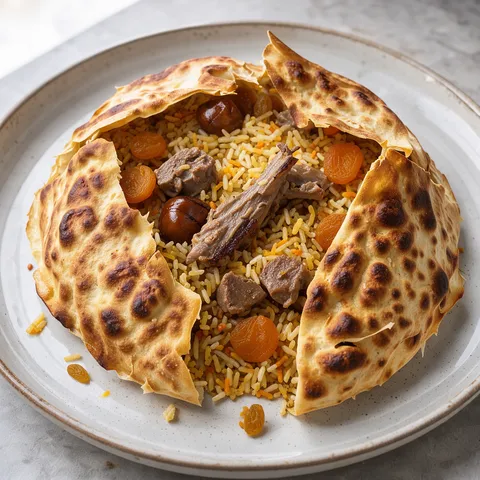 Shah Plov3 hr · Main course
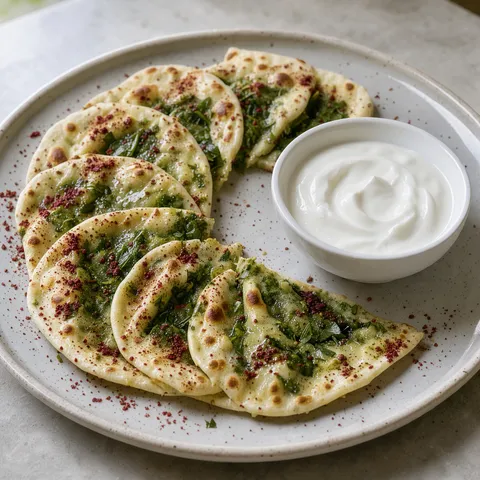 Azerbaijani Herb-Filled Flatbreads1 hr 20 min · Bread & pastry
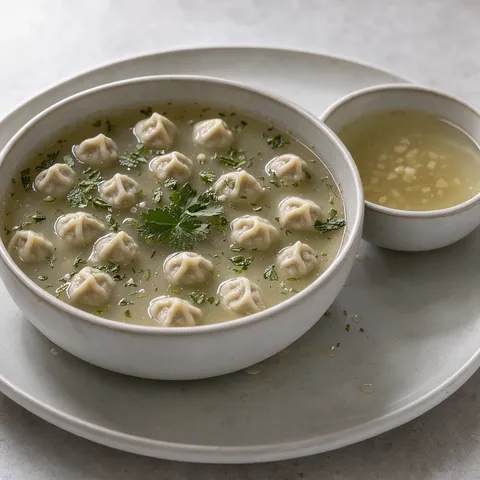 Tiny Lamb Dumpling Soup1 hr 50 min · Soup
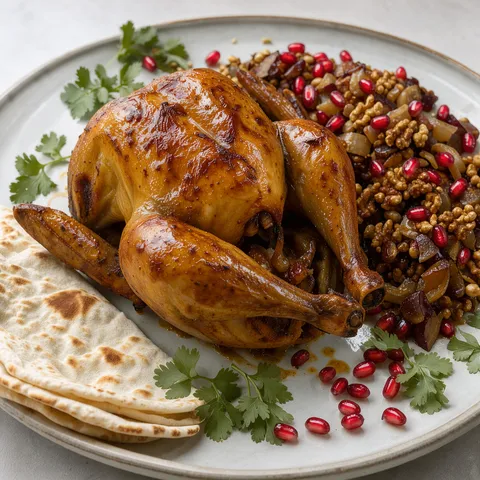 Lankaran-Style Chicken with Walnuts2 hr · Main course
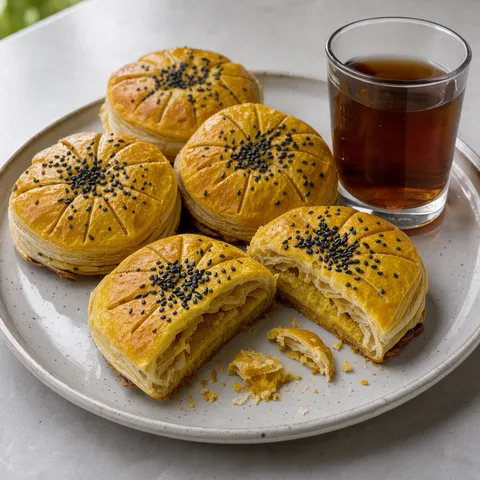 Layered Novruz Pastries with Fennel and Turmeric2 hr 55 min · Bread & pastry
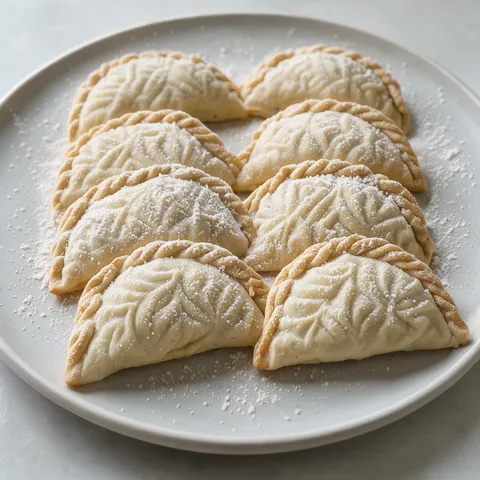 Novruz Pastries with Almonds and Cardamom2 hr 10 min · Dessert