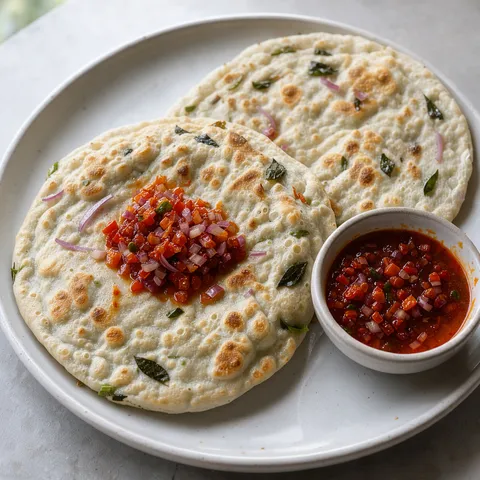
Pol Roti and Lunu Miris Sri Lankan Coconut Flatbread
A Sri Lankan bread & pastry. Takes 1 hr 15 min, Serves 4. Difficulty: medium.
At a glance
- Total time
- 1 hr 15 min
- Serves
- Serves 4
- Difficulty
- Medium
- Cuisine
- Sri Lankan cuisine
- Dish type
- Bread & pastry
- Allergens
- Gluten, Tree nuts
Ingredients
Roti (makes 8)
- 250 g plain flour
- 150 g freshly grated coconut (or 120 g unsweetened desiccated coconut and 60 ml lukewarm water)
- 1 small red onion (about 60 g, very finely chopped)
- 1 green chilli (very finely chopped)
- 8 curry leaves (finely chopped)
- 3/4 tsp salt
- 130-150 ml lukewarm water
- 1 tbsp coconut oil (for the dough and your hands)
- 1 tsp coconut oil (for the pan)
Lunu miris
- 2 red onions (about 150 g, roughly chopped)
- 2 tsp hot chilli flakes
- 1 tbsp dried Maldive fish (umbalakada, optional)
- 1/2 tsp salt
- 1 tbsp lime juice
Equipment
- Box grater
- Mixing bowls
- Cling film
- Pestle and mortar
- Baking paper
- Cast-iron frying pan
- Silicone spatula
- Chef's knife
- Chopping board
Method
- Prepare the coconut: If using fresh coconut, crack the shell and grate the white flesh on the fine side of a grater. If using desiccated coconut, mix it with 60 ml lukewarm water and leave for 15 min to moisten. Coconut is both the fat and the binder of this bread: if it stays dry, the roti crumbles
- Mix the dough: Rub the flour, salt and coconut together in a bowl with your fingertips for 2 min: the oily coconut should coat every grain of flour. Add the onion, chilli and curry leaves. Gradually add 130 ml lukewarm water and bring together into a soft dough that does not stick to your hands, adding another 20 ml if needed. Knead for only 2-3 min: over-kneaded pol roti turns tough
- Rest: Brush some of the coconut oil over the dough, cover the bowl with cling film and leave to rest for 15 min. The flour absorbs the water completely and the dough is ready to shape
- Make the lunu miris: While the dough rests, pound the onion and salt in a pestle and mortar for 2 min so the onion releases its juice and breaks down. Add the chilli flakes and the Maldive fish, if using, and pound for another 3-4 min. When it is a deep red, moist, coarse paste, stir in the lime juice. The salt tames the sharpness of the onion, and pounding in a mortar gives a much softer flavour than chopping with a knife
- Shape the balls: Divide the dough into 8 equal pieces (about 75 g) and roll into balls. Oil your hands with the remaining coconut oil and press each ball out with your palm on baking paper into a round 12-13 cm across and 7-8 mm thick. If the edges crack, press them together with your fingers
- Cook: Heat a 28 cm cast-iron frying pan over medium heat and wipe 1 tsp oil over the base with kitchen paper. Add the roti two at a time and cook for 3-4 min on each side, turning with a spatula, until brown spots appear and the surface firms up. If the edge feels springy rather than doughy when pressed, the inside is cooked. If the heat is too high, the outside burns and the inside stays raw. The four batches take about 30 min: shape the next roti while a batch is cooking and keep the cooked ones warm wrapped in a clean tea towel
- Plate: Lay two roti on a plate, slightly overlapping, spotted side up. Put a spoonful of lunu miris in the centre of the top roti and the rest in a small bowl alongside. Serve hot: each person tears off pieces of roti by hand and dips them in the sambal
Chef's note
Pol roti is a staple of breakfast and evening tea in Sri Lanka, and in Tamil homes it is called thengai roti. Lunu miris means salt and chilli and is the simplest sambal on the island. Maldive fish (umbalakada) is dried, hardened tuna and is bought ready-made: without it the sambal is vegetarian. Desiccated coconut does not give as much fat as fresh, so it is moistened with lukewarm water. In villages this bread is usually shaped by hand on a banana leaf.
Frequently asked questions
- Why does pol roti crumble or turn hard?
- The coconut is both the fat and the binder in this bread, so the roti crumbles if it stays dry. Overkneaded pol roti also turns hard, so knead the dough for only 2-3 minutes.
- Why is lunu miris pounded in a mortar?
- Pounding in a mortar gives a much softer flavour than chopping with a knife. The salt tames the sharpness of the onion, and the sambol should be dark red, moist and coarse-grained.
- How can I tell the roti is cooked through?
- If it feels springy rather than doughy when you press the edge, the inside is cooked. If the heat is too high, the outside burns and the inside stays raw.
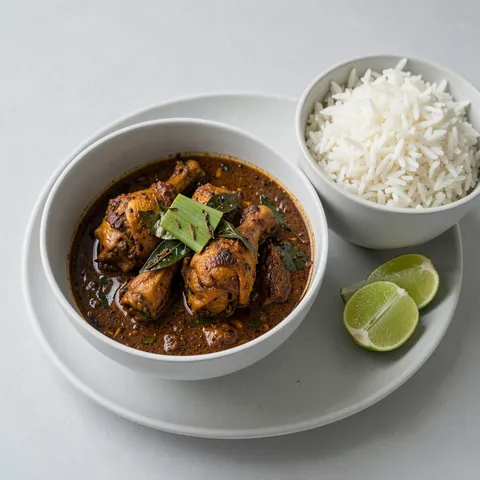 Sri Lankan Chicken Curry1 hr 15 min · Main course
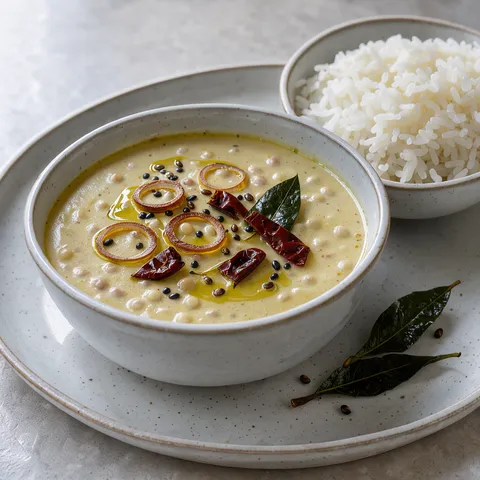 Sri Lankan Red Lentil Curry with Coconut45 min · Side dish
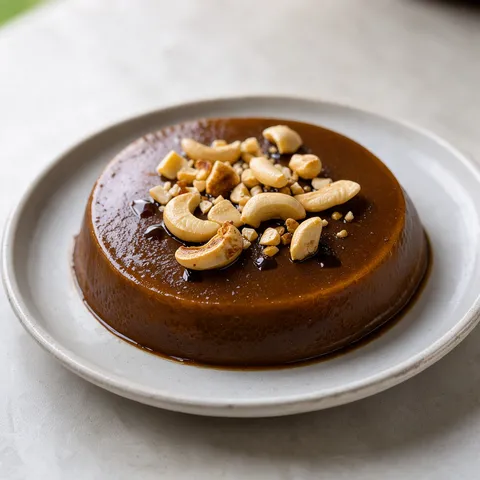 Sri Lankan Coconut Custard with Kithul Jaggery1 hr 5 min · Dessert
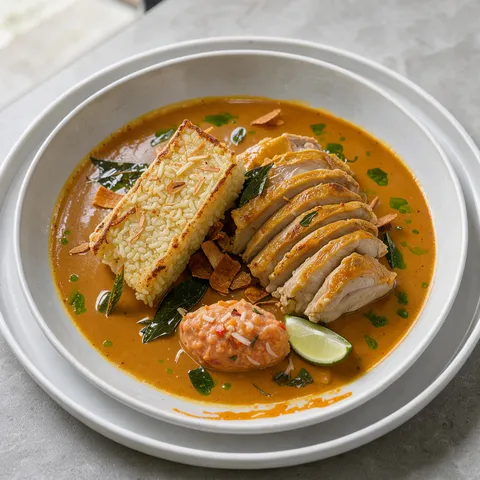 Kukul Mas Curry 2.01 hr 25 min · Main course
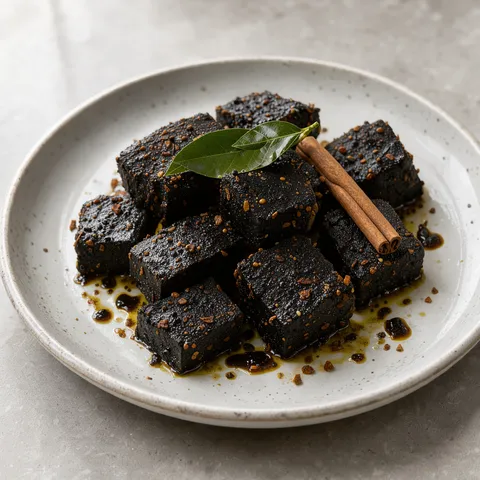 Southern Sri Lankan Sour Tuna1 hr 15 min · Main course
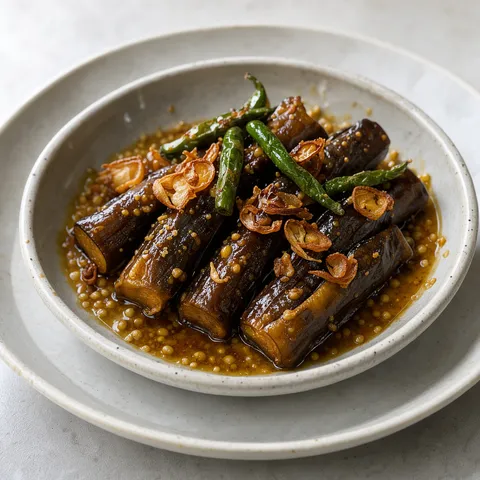 Sri Lankan Sweet-Sour Aubergine Pickle1 hr 5 min · Side dish