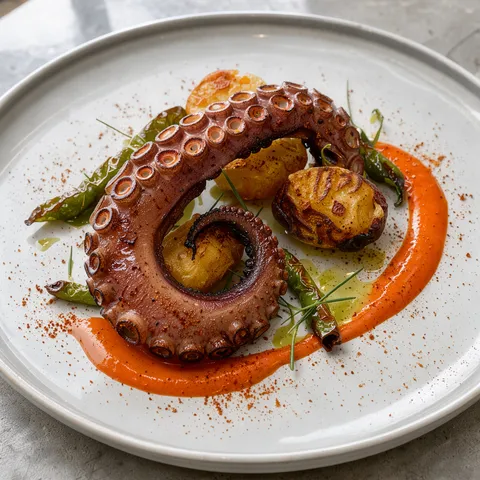
Pulpo a la Gallega 2.0
A Spanish starter. Takes 1 hr 20 min, Serves 4. Difficulty: challenging.
At a glance
- Total time
- 1 hr 20 min
- Serves
- Serves 4
- Difficulty
- Challenging
- Cuisine
- Spanish cuisine
- Dish type
- Starter
- Diet
- Gluten-free
- Allergens
- Eggs, Molluscs, Mustard, Sulphites
Ingredients
Octopus
- 1 octopus (about 1.5 kg, previously frozen and thawed in the fridge)
- 1 onion (halved)
- 1 bay leaf
- 1.5 litres water
- 2 tbsp olive oil (for searing)
Octopus pil-pil
- 400 ml octopus cooking liquid
- 120 ml extra virgin olive oil
- 1 garlic clove (thinly sliced)
- 1 tsp smoked sweet Spanish paprika (pimentón de la Vera dulce)
- 1/2 tsp hot pimentón
- 1 tsp sherry vinegar or white wine vinegar
Crisp cachelos
- 12 small waxy potatoes (about 600 g)
- 60 ml olive oil
- flaky salt
Pimentón dust
- 1/2 tsp smoked pimentón
- 1/2 tsp flaky salt
To finish
- a handful of chive shoots or flat-leaf parsley leaves
- a few drops of extra virgin olive oil
Equipment
- Pressure cooker
- Fine sieve / chinois
- Saucepan
- Stick blender
- Probe thermometer
- Frying pan
- Cast-iron frying pan
- Chef's knife
- Chopping board
- Mixing bowls
Method
- Pressure-cook the octopus: Rinse the octopus and remove the beak. Bring the water to the boil in a pressure cooker with the onion and bay leaf, without salt. Holding the octopus by the head, dip it into the boiling water for 3 sec and lift it out, three times: the tentacles curl and the skin stays intact. Then let it go into the water and lock the lid. Once the cooker reaches pressure, cook over low heat for 18 min, turn off the heat and let the pressure release naturally (about 10 min). Releasing the pressure quickly splits the skin
- Rest the octopus: Open the lid, lift out the octopus and leave it on a covered plate for 10 min so the flesh relaxes. Meanwhile, strain the liquid through a fine sieve. Set aside 400 ml for the pil-pil. The cooking liquid is rich in gelatine from the octopus skin and will bind the emulsion
- Boil the potatoes in the octopus liquid: Halve the potatoes in their skins (about 3 cm thick) and, while the octopus rests, boil them in the remaining cooking liquid (topped up with water if needed) for 10-12 min from the boil, until a knife slides in easily. Potatoes that take on the taste of the sea carry the flavour of classic cachelos. Drain and leave to steam dry for 5 min: a dry surface crisps better in the pan
- Reduce the cooking liquid and infuse the pimentón oil: While the potatoes boil, boil the reserved 400 ml liquid in a small pan over high heat for 12-15 min (on a second ring, alongside the potatoes) until reduced to about 100 ml and sticky enough to coat the back of a spoon. It gets saltier as it reduces, so taste as you go and add 50 ml water if it is too salty. At the same time, heat the olive oil with the garlic in another small pan over low heat to 70°C and remove the garlic once pale golden. Take the oil off the heat, let it cool for 2 min, then add the sweet and hot pimentón and infuse for 5 min. Pimentón added to hot oil burns and turns bitter within seconds
- Bind the pil-pil: Pour the reduced octopus liquid, cooled to 50-60°C, into a tall container. With the stick blender running, add the pimentón oil in a thin stream. Just as the gelatine of salt cod binds the oil in Basque pil-pil, the octopus gelatine does the same job here: the result is a glossy, orange-red emulsion as fluid as mayonnaise. Finish with the vinegar. If it splits, re-bind it by gradually whisking the split sauce into a spoonful of warm water. Keep warm, but don't let it boil
- Crisp the cachelos: Press the potatoes down with your palm or the base of a glass to 1.5 cm thick, leaving the edges ragged. Heat the olive oil in a wide frying pan over medium-high heat and fry the potatoes for 4 min on one side and 3 min on the other, until deep golden and crisp. Sprinkle with flaky salt
- Sear the tentacles: Do this on a second ring while the cachelos are in the pan. Cut the tentacles from the head. Leave four thick tentacles whole (one per plate) and cut the rest into 2 cm pieces. Heat a cast-iron pan until smoking hot, add the 2 tbsp oil and sear the tentacles for 1-2 min on each side, until the suckers crisp up and the edges are lightly charred. The inside is already cooked: the aim is a contrast between a caramelised crust outside and gelatinous tenderness within
- Make the pimentón dust: Rub the smoked pimentón and flaky salt together between your fingertips. This dry mix reduces the classic moment of sprinkling salt and paprika to a single touch
- Plate: Spoon two spoonfuls of pil-pil onto one side of a warm, shallow plate and drag the back of the spoon through it to make a long teardrop across the plate. Line up three crisp potatoes along the teardrop. Lay a whole tentacle over the potatoes with the curled tip pointing up and towards the edge of the plate, and place two or three short pieces beside it. Sprinkle a pinch of pimentón dust over the tentacle and finish with a few drops of raw olive oil and the shoots. Serve straight away
Chef's note
The four elements of the classic pulpo á feira (octopus, potato, pimentón, olive oil) are kept, but the textures change: the octopus comes with a charred crust, the potatoes as crisp smashed potatoes, and the pimentón and olive oil become a pil-pil emulsion bound with the octopus's own gelatine. The idea behind this plate is applying a Basque technique to a Galician ingredient. Bind the pil-pil no more than 20 min before serving: an emulsion left to stand too long releases its oil.
Frequently asked questions
- Why is the pressure released naturally for the octopus?
- Once the octopus has cooked for 18 minutes under pressure, turn off the heat and let the pressure drop on its own. A quick release can split the skin.
- How do you rescue a split pil-pil sauce?
- Whisk the split sauce into a spoonful of warm water, a little at a time, until it comes back together. Keep the sauce warm and never let it boil.
- How does the octopus liquid bind the pil-pil sauce?
- The cooking liquid is rich in gelatine from the skin. Once it has been reduced and cooled until warm, the gelatine binds the paprika oil as you whisk it in a thin stream.
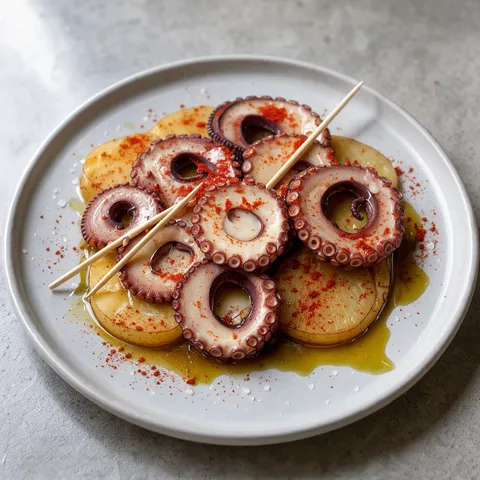 Galician Octopus with Potatoes1 hr 50 min · Meze
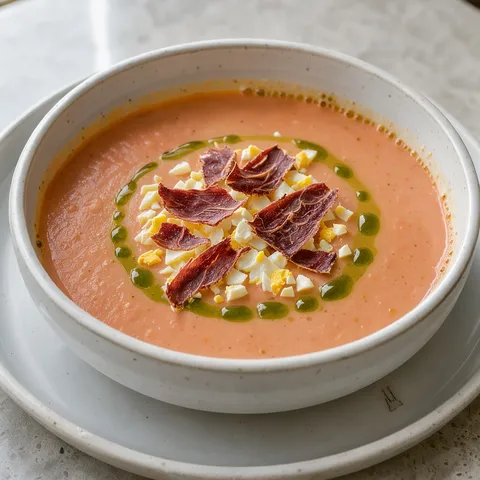 Cold Córdoba Tomato and Bread Soup25 min · Soup
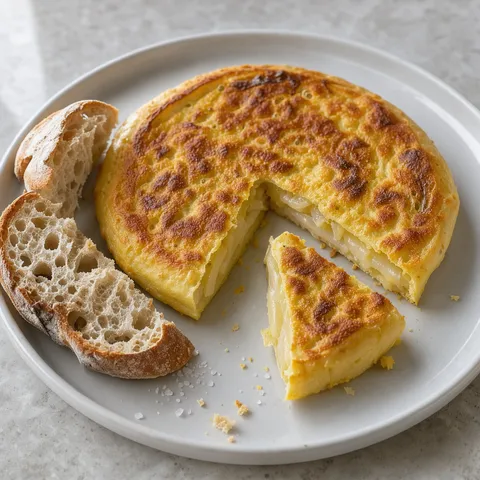 Spanish Potato Omelette1 hr 5 min · Main course
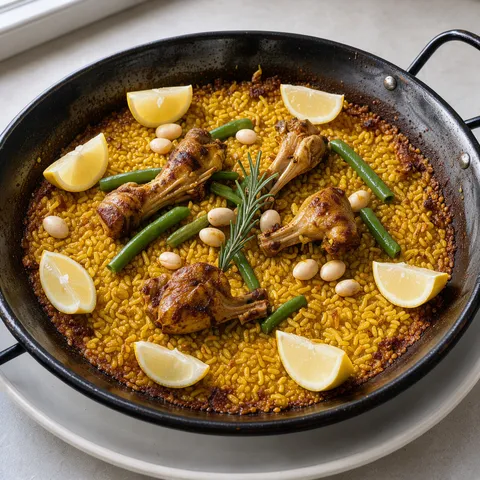 Paella Valenciana1 hr 20 min · Main course
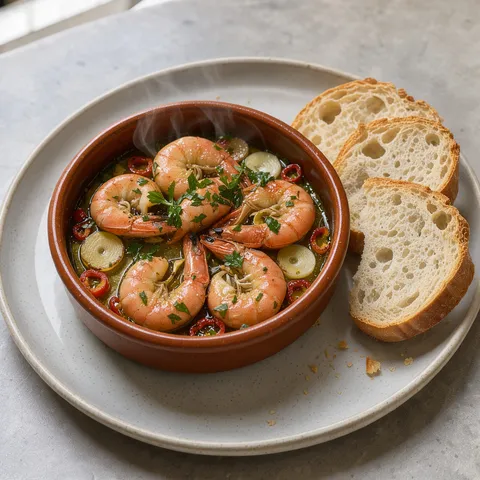 Sizzling Garlic Prawns20 min · Starter
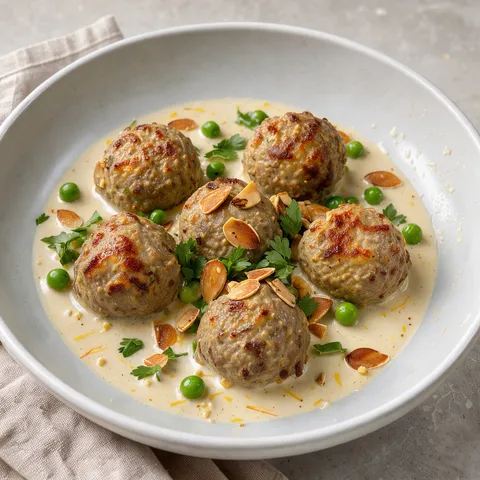 Meatballs in Almond Sauce1 hr 10 min · Main course
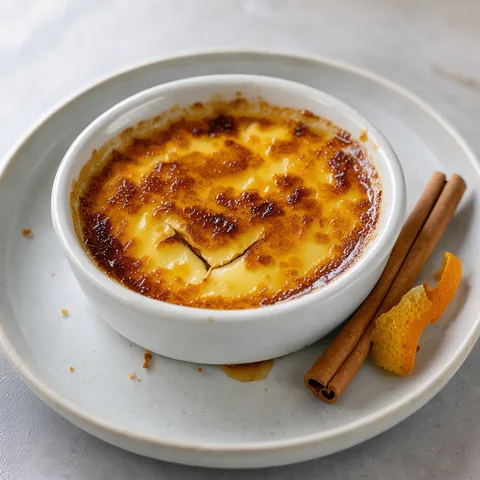 Catalan Burnt Cream35 min · Dessert