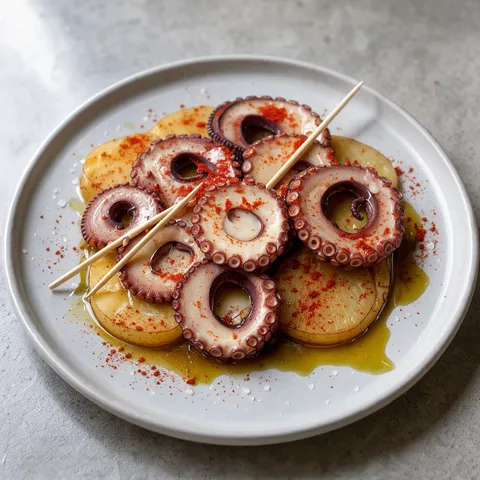
Galician Octopus with Potatoes Pulpo a la Gallega
A Spanish meze. Takes 1 hr 50 min · +24 hr thawing (pressure cooker: ~1 hr 30 min), Serves 4. Difficulty: medium.
At a glance
- Total time
- 1 hr 50 min · +24 hr thawing (pressure cooker: ~1 hr 30 min)
- Serves
- Serves 4
- Difficulty
- Medium
- Cuisine
- Spanish cuisine
- Dish type
- Meze
- Diet
- Gluten-free
- Allergens
- Molluscs
Ingredients
Octopus
- 1 whole octopus (about 2 kg, cleaned, previously frozen)
- 1 onion (unpeeled, halved)
- 2 bay leaves
- about 6 litres water
Cachelos (potatoes)
- 600 g small
- waxy yellow potatoes
- unpeeled
To serve
- 1 tsp coarse sea salt (or flaky salt)
- 1 tsp sweet Spanish paprika (pimentón dulce)
- 1/2 tsp hot Spanish paprika (pimentón picante)
- 80 ml extra virgin olive oil
Note
- if pimentón is unavailable
- use sweet paprika mixed with a little hot paprika
Equipment
- Saucepan
- Kitchen scissors
- Chopping board
- Chef's knife
- Fine sieve / chinois (optional)
- Pressure cooker (optional)
Method
- Thaw and clean: Thaw the frozen octopus in its packaging in the fridge for 24 hr. Freezing relaxes the muscle fibres, which is why even fresh octopus is frozen in Galicia: in the past it was tenderised by beating it against a rock. Rinse the thawed octopus under cold water and remove the beak where the tentacles meet and any domed griddle left inside the head (about 10 min)
- Boil the water: In a wide, deep pan, bring the water to a rolling boil with the onion and bay leaves, about 10 min. Don't salt the water: the octopus is already salty, and salted water makes the skin peel off
- Scare the octopus (asustar): Holding the octopus by the head, dip it into the boiling water for 3 sec and lift it out, three times. The tentacles curl with each dip, the tips form ringlets and the skin stays attached to the flesh during cooking. The fourth time, let the octopus go into the water completely
- Simmer: When the water comes back to the boil, lower the heat and simmer gently for 40-45 min for a 2 kg octopus (25-30 min for 1 kg). Push a skewer into the thickest part of a tentacle: if it slides in with slight resistance, it is done. Overcooked octopus loses its skin and the flesh turns mushy. In a pressure cooker (after the same scaring, with enough water to cover the octopus), 15-18 min once it reaches pressure is enough, then let the pressure release naturally
- Rest: Turn off the heat and leave the octopus in its liquid for 15 min. The flesh relaxes in the hot water and stays juicy. Then lift the octopus out with tongs onto a plate, cover and keep warm
- Cook the cachelos: Put the potatoes in their skins into the octopus cooking water, which has taken on the octopus's colour and sea salt. Boil over medium heat for 20 min, until a knife slides easily into the centre. Lift out, peel while hot and cut into 1 cm rounds
- Cut: Cut the tentacles from the head. Use kitchen scissors to cut them into rounds 1-1.5 cm thick. The pulpeiras of Galicia cut octopus with scissors, so the slices come out neat and the skin stays on the flesh. Cut the head into thin strips (about 5 min)
- Plate: Traditionally served on a round wooden board, though a flat serving plate works too. Arrange the potato slices in a single layer over the base and spread the octopus slices generously over them, slightly overlapping. Sprinkle over the coarse salt first, then dust evenly with the sweet and hot pimentón through a fine sieve or with your fingertips, and finally drizzle generously with olive oil. Serve straight away while warm, with cocktail sticks
Chef's note
This is the dish the pulpeiras sell at Galician fairs, boiled in copper cauldrons and served on wooden boards, where it is called pulpo á feira. The salt and pimentón always go on just before serving: added earlier, the paprika absorbs moisture and clumps. If you cool the octopus in its liquid, it stays just as tender the next day: simply reheat it in the same liquid for 2-3 min before serving.
Frequently asked questions
- Why should the octopus be frozen for pulpo a la gallega?
- Freezing loosens the muscle fibres. That is why even fresh octopus is frozen in Galicia, whereas it used to be tenderised by beating it on rocks.
- Why is no salt added to the octopus cooking water?
- Octopus is already salty, and salted water makes the skin peel off.
- Why is the octopus cut with scissors?
- In Galicia the pulpeiras cut the octopus with scissors. The slices come out neat and the skin doesn't separate from the flesh.
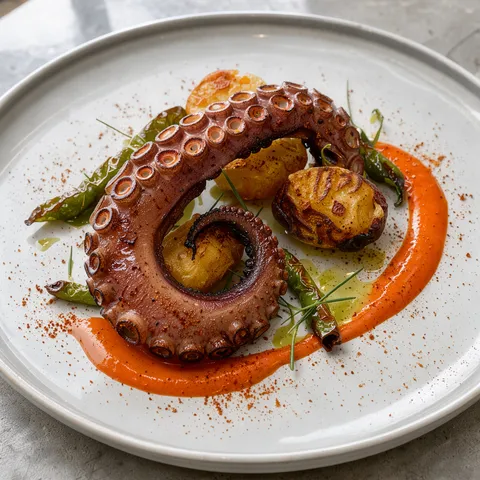 Pulpo a la Gallega 2.01 hr 20 min · Starter
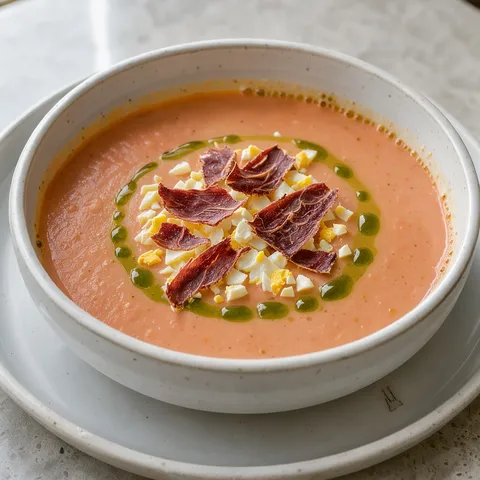 Cold Córdoba Tomato and Bread Soup25 min · Soup
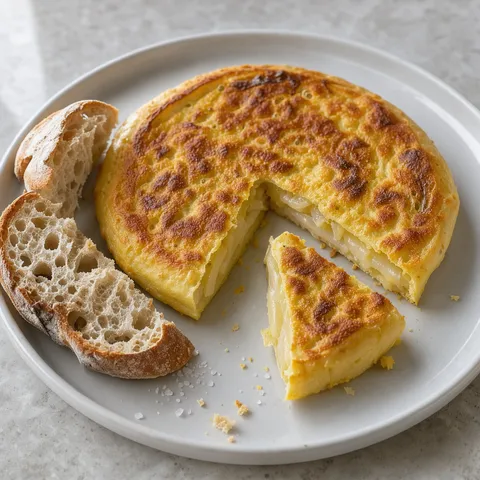 Spanish Potato Omelette1 hr 5 min · Main course
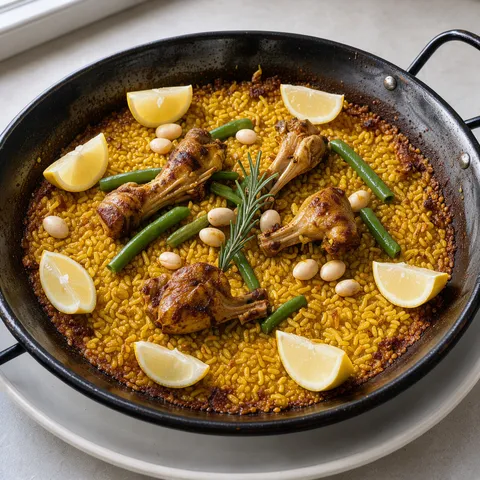 Paella Valenciana1 hr 20 min · Main course
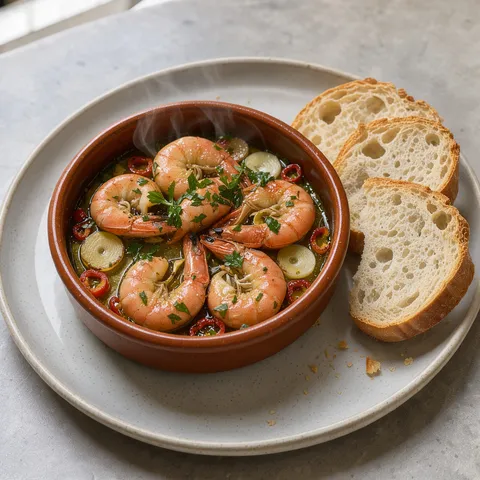 Sizzling Garlic Prawns20 min · Starter
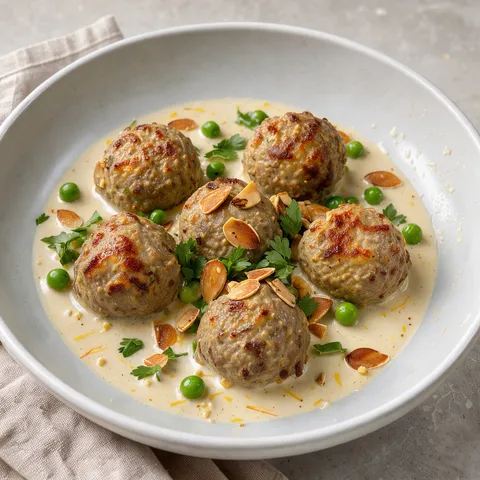 Meatballs in Almond Sauce1 hr 10 min · Main course
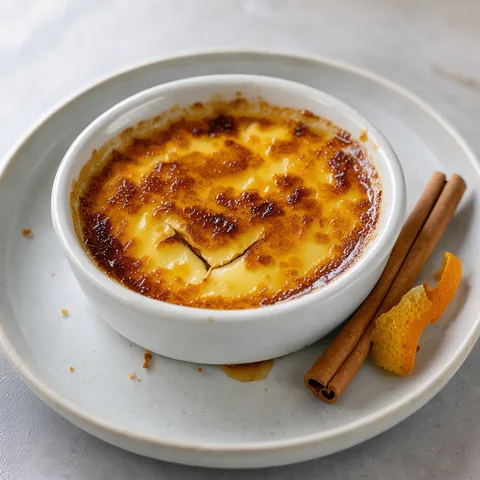 Catalan Burnt Cream35 min · Dessert