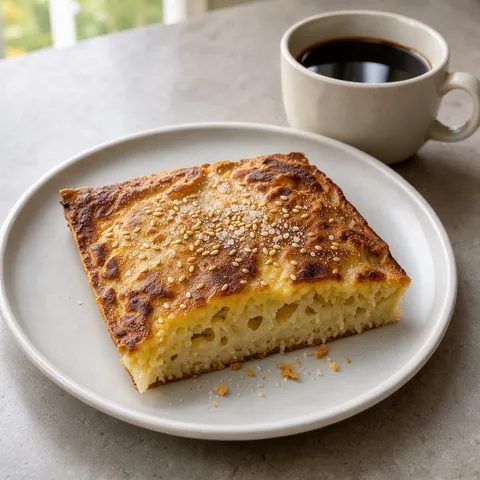
Salvadoran Rice-Flour Cheese Cake Quesadilla Salvadoreña
A Salvadoran patisserie. Takes 1 hr 30 min, 23×23 cm tin, 9 slices. Difficulty: medium.
At a glance
- Total time
- 1 hr 30 min
- Serves
- 23×23 cm tin, 9 slices
- Difficulty
- Medium
- Cuisine
- Salvadoran cuisine
- Dish type
- Patisserie
- Diet
- Vegetarian
- Allergens
- Gluten, Milk, Eggs, Sesame
Ingredients
Batter
- 200 g rice flour
- 50 g plain flour
- 2 tsp baking powder (10 g)
- 1/4 tsp salt
- 150 g butter (softened)
- 200 g caster sugar
- 3 eggs (at room temperature)
- 250 g soured cream (in place of crema salvadoreña, 20-30% fat)
- 120 ml milk
- 100 g parmesan or aged semi-hard cheese (finely grated, in place of queso duro)
Topping
- 2 tbsp sesame seeds
- 1 tbsp caster sugar
Equipment
- Cake tin
- Baking paper
- Balloon whisk
- Silicone spatula
- Box grater
- Oven
- Stand mixer (optional)
- Hand mixer (optional)
Method
- Prepare the oven and tin: Preheat the oven to 175°C. Grease a 23×23 cm square cake tin with butter and line the base with baking paper. Let the paper overhang the tin so you have something to hold when lifting out the cake
- Mix the dry ingredients: Whisk together the rice flour, plain flour, baking powder and salt. Rice flour is gluten-free, so the eggs and cheese carry the structure of the cake, while the wheat flour binds the texture a little
- Cream: Beat the butter and sugar with a mixer on medium-high speed for 4-5 min, until pale and fluffy. The air beaten in at this stage provides half of the cake's rise
- Add the eggs: Add the eggs one at a time, mixing each in completely before adding the next and scraping down the sides of the bowl with a spatula. If the mixture looks curdled, add a spoonful of rice flour
- Fold in the cheese and cream: Add the soured cream, milk and grated cheese and mix on low speed. Add the dry mixture in three additions, folding each time with a spatula just until the flour disappears. Overmixing makes the cake tough
- Fill the tin and top: Pour the batter into the tin and smooth the surface with a spatula. Sprinkle the sesame seeds and caster sugar evenly over the top. In the oven the sesame toasts and the sugar forms a thin, crisp crust
- Bake: Bake on the middle shelf for 40-45 min, until golden on top, the edges have pulled away slightly from the tin and a skewer inserted in the centre comes out clean. If the top darkens too much by the 30-min mark, cover it with baking paper
- Cool: Leave in the tin for 15 min, then lift out by the paper and cool on a wire rack for another 10 min. A quesadilla cut while warm gives a slice that is moist but holds together
- Plate: Cut into 9 squares. Put a slice on a small plate, golden sesame crust on top and the yellowish, moist crumb showing on the cut side, and serve with a hot cup of coffee
Chef's note
Quesadilla salvadoreña has nothing to do with the Mexican quesadilla: it is a sweet, cheesy rice flour cake eaten with afternoon coffee. The original recipe uses queso duro blandito and crema salvadoreña; parmesan and soured cream give the closest salty-tangy balance. The cake is even moister the next day. 23×23 cm tin, 9 slices.
Frequently asked questions
- Is quesadilla salvadoreña a gluten-free cake?
- No. Besides the rice flour, the recipe has 50 g of wheat flour. Rice flour is gluten-free and the eggs and cheese give the cake its structure, while the wheat flour binds the texture slightly.
- What if the batter looks curdled?
- If the mixture looks curdled as you add the eggs, stir in a spoonful of rice flour. Add the eggs one at a time and mix each in fully before the next.
- What can I use in place of queso duro?
- Use finely grated parmesan or aged semi-hard cheese. Soured cream stands in for crema salvadoreña.
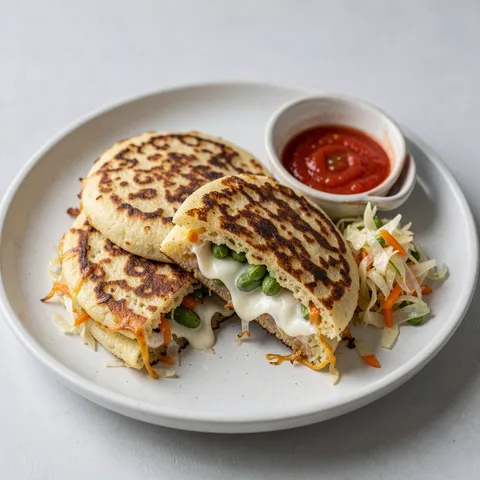 Salvadoran Stuffed Corn Cakes1 hr 45 min · Bread & pastry
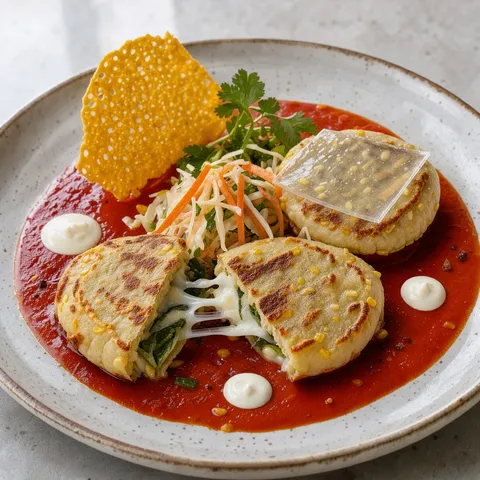 Pupusas de Queso y Loroco 2.01 hr 25 min · Starter
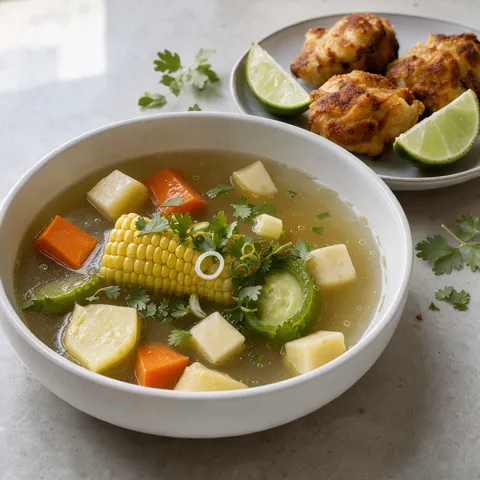 Salvadoran Free-Range Chicken Soup2 hr 10 min · Soup
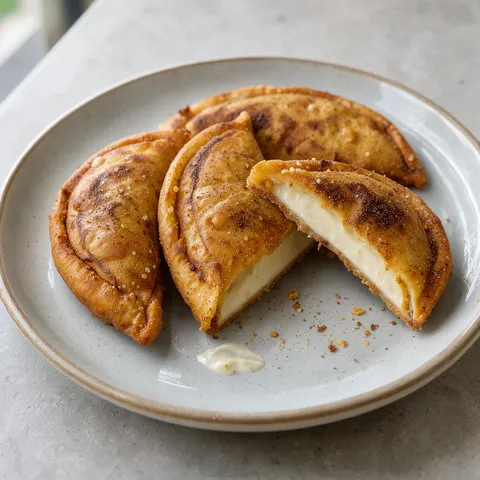 Plantain Custard Pastries1 hr 25 min · Dessert
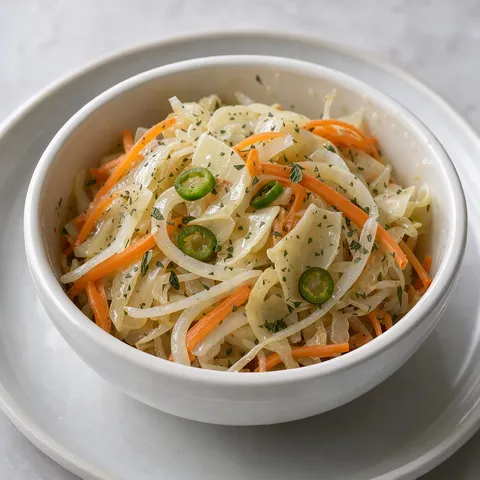 Salvadoran Quick Pickled Cabbage Slaw20 min · Side dish
 Salvadoran Hot Fresh Corn Drink30 min · Drink