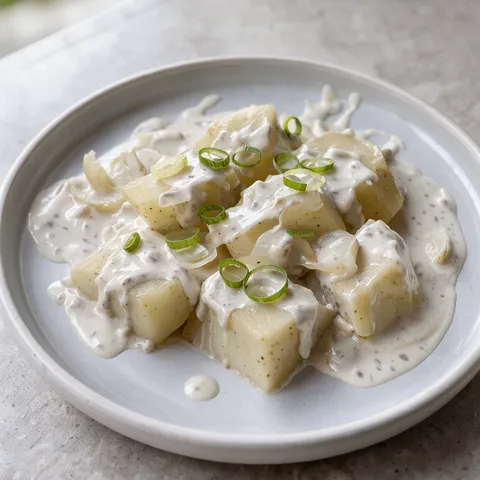
Tongan Yam with Coconut Cream 'Ufi mo e Lolo
A Tongan side dish. Takes 45 min, Serves 4. Difficulty: medium.
At a glance
- Total time
- 45 min
- Serves
- Serves 4
- Difficulty
- Medium
- Cuisine
- Tongan cuisine
- Dish type
- Side dish
- Allergens
- Gluten, Milk, Tree nuts
Ingredients
Roots
- 600 g floury potatoes and 400 g Jerusalem artichokes (in place of 'ufi, or yam)
- 2 litres water
- 1 tsp salt
Lolo
- 400 ml full-fat coconut milk
- 1 onion (finely chopped)
- 1/2 tsp salt
- 1 fresh red chilli (optional, finely chopped)
- juice of 1/2 lemon
To finish
- 1 spring onion (thinly sliced into rings)
Equipment
- Vegetable peeler
- Chef's knife
- Chopping board
- Saucepan
- Colander
- Wooden spoon / spatula
Method
- Prepare the roots: Peel the potatoes and Jerusalem artichokes with a peeler. On a chopping board, cut the potatoes into large 5 cm chunks with a chef's knife and halve the artichokes or cut them into three, depending on size. 'Ufi is Tonga's most prized root vegetable, firm, floury and slightly sweet, and a mix of floury potatoes and Jerusalem artichokes gives the same texture along with a light, nutty flavour
- Start in cold water: Put the pieces in a 4 litre saucepan and add 2 litres of cold water and 1 tsp salt. Starting roots in cold water keeps the outsides from breaking up before the centres are cooked
- Boil: Bring to the boil over a medium-high heat, then lower to medium-low and cook with the lid ajar for 20 min, until a knife slides in without resistance. The artichokes may soften a few minutes before the potatoes, so lift them out first with a slotted spoon
- Make the lolo: While the roots boil, mix the coconut milk, onion and 1/2 tsp salt in a small saucepan. Cook over a medium-low heat for 12 min, stirring often with a wooden spoon. The milk should thicken slightly and the onion should soften and sweeten. Lolo is the Tongan word for coconut cream, and cooking it with onion is one of its classic preparations
- Add the chilli: Add the optional chilli to the lolo and cook for another 1 min. Take off the heat and stir in the lemon juice. The lemon freshens the cream and, together with the onion, balances its richness
- Drain and dry the roots: Drain the roots in a colander and return them to the empty pan. Shake the pan over a low heat for 1 min to steam off the surface water. A dry surface holds the lolo better
- Rest: Leave the roots for 2 min. Their surfaces turn slightly floury and crack, and the cracks soak up the cream
- Arrange on a platter: Arrange the roots on a large serving platter or on individual plates
- Pour over the lolo and serve: Pour plenty of the hot lolo over the roots and finish with the spring onion. In Tonga 'ufi mo e lolo is eaten alongside lu, feke or chargrilled fish, and sometimes on its own as a filling meal
Chef's note
'Ufi is the Tongan word for yam, and it is considered Tonga's most culturally valued root vegetable, with a special place at feasts and in gift-giving. Boiled and eaten with coconut cream (lolo), it is at its simplest. Because yam is hard to find in Türkiye and Europe, a mix of floury potatoes and Jerusalem artichokes is used here. If you find yam, use 1 kg and boil it for 30 min.
Frequently asked questions
- What is used instead of yam?
- The recipe uses a mixture of floury potatoes and Jerusalem artichokes in place of yam. The mixture gives both the texture and a slightly nutty flavour.
- Why do we start the roots in cold water?
- Starting the roots in cold water stops the outside from falling apart while the inside stays raw.
- What is lolo?
- Lolo means coconut cream in Tongan. In this recipe it is cooked with onion and balanced with lemon juice.
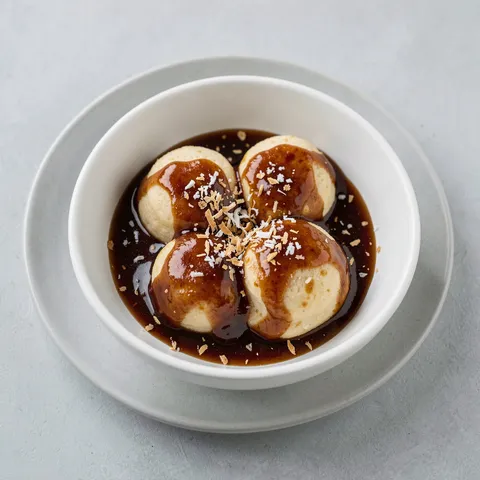 Tongan Dumplings in Coconut Caramel50 min · Dessert
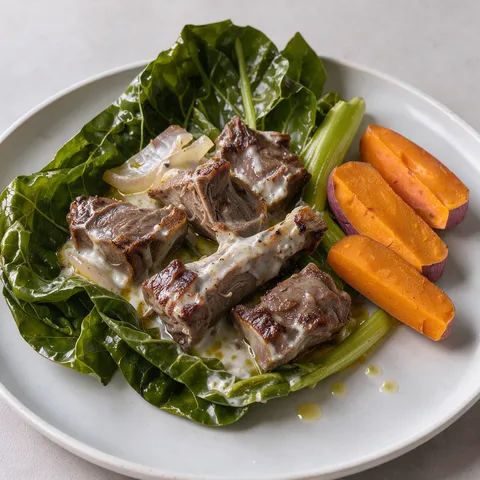 Tongan Lamb and Coconut Parcels2 hr 30 min · Main course
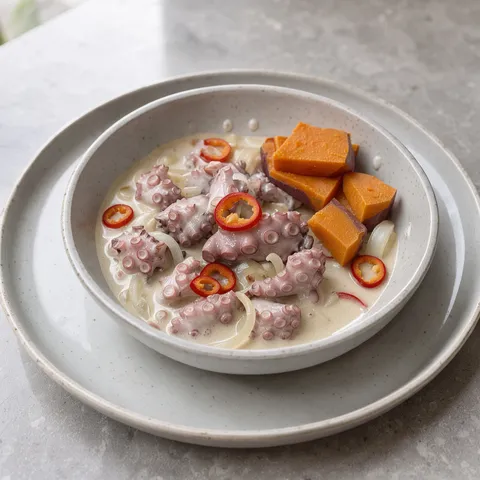 Tongan Octopus in Coconut Milk1 hr 25 min · Main course
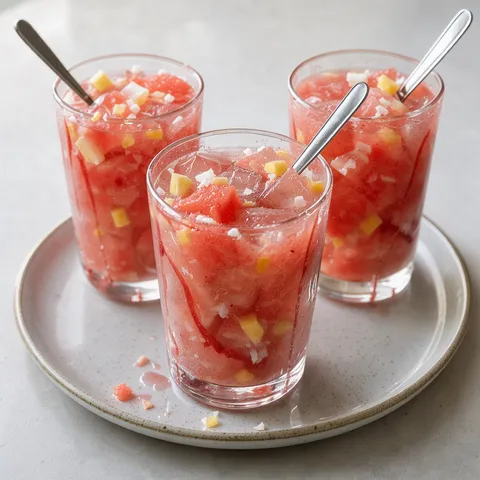 Tongan Watermelon and Coconut Drink25 min · Drink
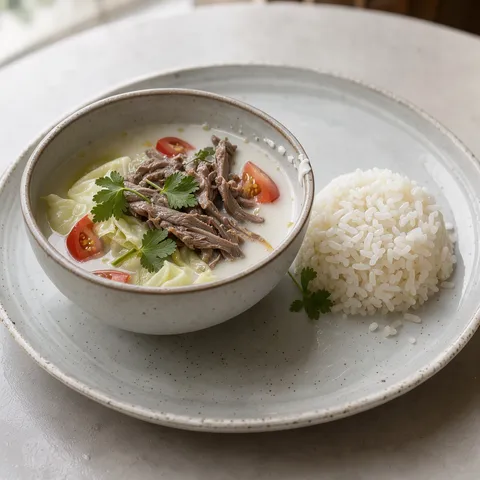 Tongan Coconut Beef and Cabbage1 hr 25 min · Main course
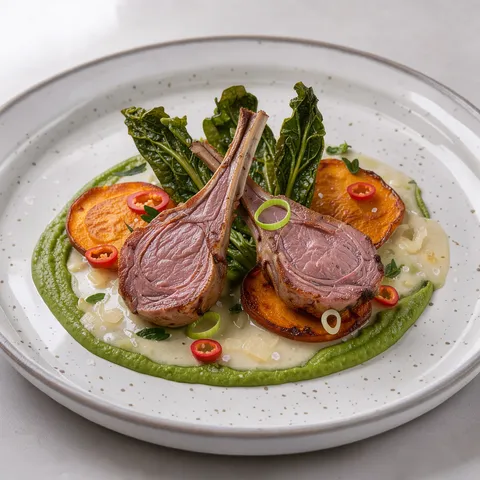 Lu Sipi 2.01 hr 15 min · Main course