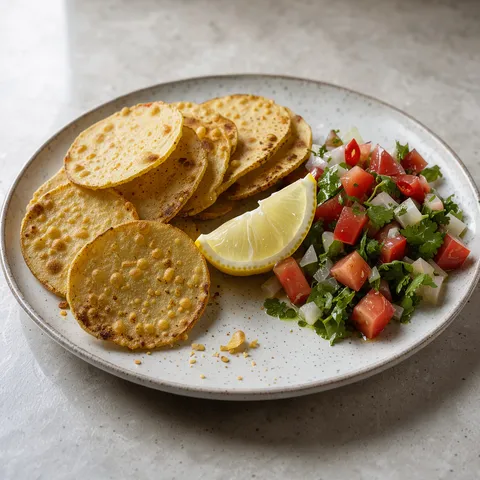
Kenyan Potato Fritters with Kachumbari Bhajia
A Kenyan starter. Takes 28 min, Serves 4. Difficulty: easy.
At a glance
- Total time
- 28 min
- Serves
- Serves 4
- Difficulty
- Easy
- Cuisine
- Kenyan cuisine
- Dish type
- Starter
- Diet
- Vegetarian, Vegan, Gluten-free
- Allergens
- Contains none of the 14 listed allergens
Ingredients
Bhajia
- 600 g potatoes
- 150 g gram flour
- 2 tbsp rice flour
- 1 tsp cumin
- 1/2 tsp turmeric
- 1 tsp chilli flakes
- 1 garlic clove (grated)
- 1 tbsp lemon juice
- 3/4 tsp salt
- 150 ml water
- 500 ml oil for deep-frying
Kachumbari
- 2 ripe tomatoes
- 1 red onion
- 1/2 bunch coriander
- 1 green chilli
- 1 tbsp lemon juice
- 1/2 tsp salt
Equipment
- Mandoline
- Mixing bowls
- Balloon whisk
- Frying pan
- Probe thermometer
- Colander
- Chopping board
- Chef's knife
- Deep pan / deep-fat fryer (optional)
- Fine grater (optional)
Method
- Slice the potatoes: Peel the potatoes and slice them into rounds 3 mm thick on a mandoline. Leave the slices in a bowl of cold water for 4 min, then drain. The starch comes out into the water, and the slices do not stick together and turn crisp. Spread on a tea towel to get the water off thoroughly. (~4 min)
- Whisk the batter: Mix the gram flour, rice flour, cumin, turmeric, chilli flakes and salt in a bowl. Add the garlic, lemon juice and water and whisk until lump-free. The batter should be like yoghurt, runny enough to coat the potato slices thinly. Rice flour adds crispness to the frying. (~3 min)
- Make the kachumbari: Slice the red onion into thin half-moons, dice the tomatoes small, discarding the seeds, and finely chop the chilli. Chop the coriander and mix everything with the lemon juice and salt. Rubbing the onion with salt for 1 min takes off its sharpness. The fresh, crisp and sharp salad balances the fried potato. (~3 min)
- Heat the oil: Heat the oil to 175°C in a deep pan or deep-fat fryer. Check the temperature with a thermometer, and it is ready if a drop of batter rises to the surface and sizzles within 3 sec. If the oil is too hot, the outside burns and the inside stays raw, and if it is cold, the bhajia soaks up oil. (~3 min)
- Fry: Dip the potato slices in the batter and, shaking off excess batter, lower them into the hot oil one at a time, without overfilling the pan. Fry each batch for 4 min, turning once, until golden and the edges are crisp. Fry in 3 batches. The slices float to the surface when crisp. (~12 min)
- Drain: Lift the fried bhajia out with a slotted spoon and drain for 1 min on kitchen paper. Sprinkle with salt at once, since salt sticks to the surface while hot. (~1 min)
- Plate: Pile the bhajia on a plate and put plenty of kachumbari beside it. Serve with lemon slices. Eat hot, since bhajia softens as it cools and loses its crispness. (~2 min)
Chef's note
Bhajia is sold as street food in Kenya's coastal towns and in Nairobi, and was brought from Indian cooking to East Africa. The chickpea-flour batter is naturally vegan and gluten-free. For sweet and sour, tamarind or coriander chutney is also served alongside. The potato slices should be thin, because if thick the outside burns before the inside cooks.
Frequently asked questions
- Why soak the potato slices for crisp bhajia?
- Soak the slices in cold water for 4 minutes. The starch washes out, the slices don't stick together and they turn crisp.
- What does the rice flour do in the batter?
- Rice flour adds crispness to the fry. The batter should be like yoghurt, thin enough to coat the potato slices lightly.
- Do bhajia go soft as they cool?
- Yes, they soften and lose their crispness as they cool. Eat them hot, with the kachumbari.
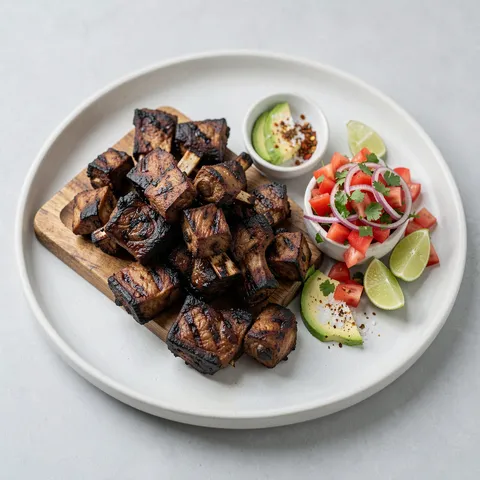 Nyama Choma and Kachumbari2 hr 15 min · Main course
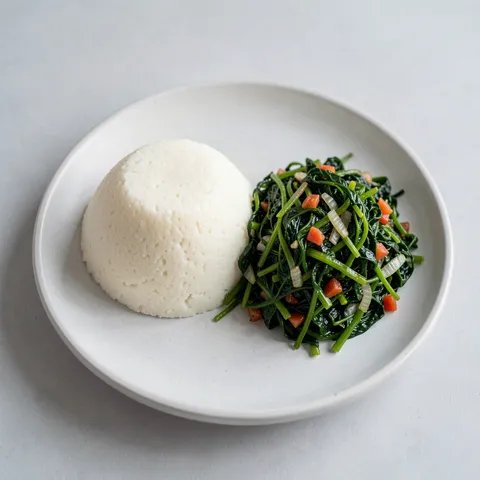 Ugali and Sukuma Wiki50 min · Side dish
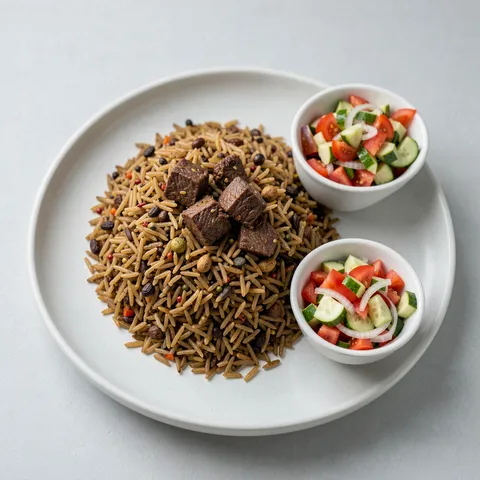 Kenyan Pilau1 hr 50 min · Main course
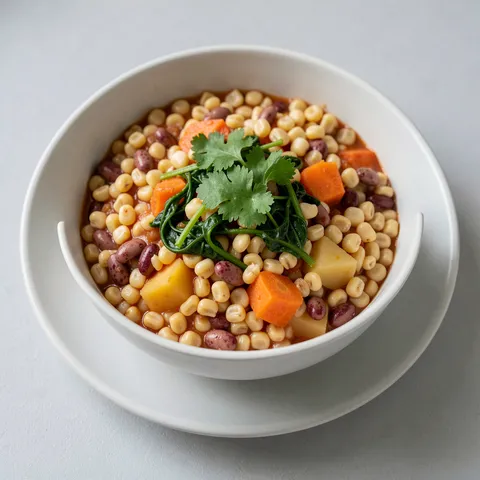 Kenyan Maize and Bean Stew2 hr · Main course
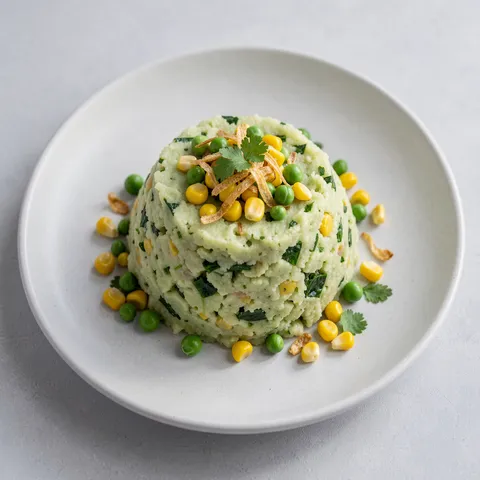 Kenyan Green Potato Mash50 min · Side dish
 Kenyan Coconut and Cardamom Doughnuts1 hr 30 min · Bread & pastry