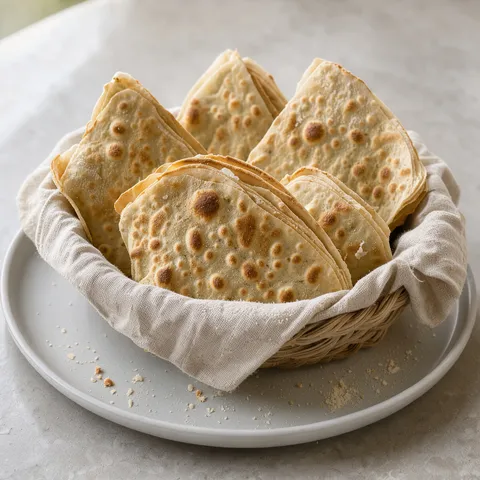
Kenyan Layered Flatbread Chapati
A Kenyan bread & pastry. Takes 1 hr 50 min, Makes 8. Difficulty: medium.
At a glance
- Total time
- 1 hr 50 min
- Serves
- Makes 8
- Difficulty
- Medium
- Cuisine
- Kenyan cuisine
- Dish type
- Bread & pastry
- Allergens
- Gluten, Milk
Ingredients
Dough
- 500 g plain flour (+30 g for rolling)
- 1 tsp salt
- 1 tbsp sugar
- 3 tbsp sunflower oil
- 300 ml lukewarm water (about 40°C)
Layering
- 60 ml sunflower oil (or melted butter)
Cooking
- 2 tbsp sunflower oil
Makes
- 8
Equipment
- Mixing bowls
- Rolling pin / oklava
- Cast-iron frying pan
- Silicone spatula
Method
- Knead the dough: Mix the flour, salt and sugar in a large bowl and make a well in the centre. Mix in the 3 tbsp oil and the lukewarm water a little at a time, then knead on the worktop for 10 min. The dough should be soft, smooth and elastic, and a dent made with a finger should spring back slowly. Lukewarm water and oil keep the chapati soft and pliable rather than hard once cooked
- Rest: Put the dough in a lightly oiled bowl, cover with a damp cloth and rest for 30 min. Rested dough rolls out easily and does not shrink back
- Divide: Divide the dough into 8 equal pieces (about 105 g each) and shape each into a smooth ball. Keep them covered with a cloth, as dough that dries out cracks when folded
- Fold and roll: Roll one ball out on a lightly floured worktop with a rolling pin into a thin round about 20 cm across. Brush with 1/2 tbsp oil (from the layering oil). Starting from one edge, roll the round up tightly into a rope and stretch it gently lengthways. Then, starting from one end, coil the rope around itself like a snail shell and tuck the end underneath. The oiled layers separate as they cook, giving the chapati its characteristic flaky texture. Prepare all eight balls in the same way
- Rest again: Rest the coils under the cloth for 15 min. This relaxes the layers and stops the oil squeezing out when you roll them
- Roll out: Flatten each coil with the palm of your hand, then roll out with a rolling pin into a round 22-24 cm across and 2-3 mm thick. Do not press too hard, or the layers stick together
- Cook: Heat a 26 cm cast-iron frying pan over a medium-high heat for 3 min. Put a chapati in the dry pan and cook for 1 min, until the underside is speckled light brown and bubbles appear on top. Turn, brush the cooked top with 1/4 tbsp oil and cook for 1 min. Turn once more and, with the oiled side against the pan, press gently around the edges with a spatula: the chapati puffs up in places. After 30 sec, when both sides are speckled golden, take it out. Each chapati takes about 3 min, so roll out the next while one cooks: eight take about 30 min in total
- Rest and loosen: Stack the cooked chapatis between the folds of a cloth. The trapped steam softens them. While each one is hot, hold it between your palms and clap it once or twice, pushing from the edges towards the centre: this separates the layers
- Plate: Fold the chapatis in half or into quarters and stand them upright in a cloth-lined basket with the layered edges showing. Serve hot with Kuku Paka (Chargrilled Chicken in Coconut Sauce), a bean stew or sukuma wiki
Chef's note
Chapati came to East Africa with Indian labourers at the end of the 19th century and became Kenya's best-loved bread. Unlike Indian chapati, the Kenyan version is layered with oil and is thicker and flakier. It is a fixture on the table for birthdays, Christmas and religious festivals. Once cool, cooked chapatis can be wrapped in cling film and kept for 2 days, then warmed in a dry frying pan for 30 sec. Mixing a little wholemeal flour into the dough is also common.
Frequently asked questions
- How do I get layered chapati?
- Brush the rolled-out circle with oil, roll it up tightly, coil the rope around itself like a snail and tuck the end underneath. The oiled layers separate as they cook and give the flaky texture.
- Why is cooked chapati wrapped in a cloth?
- Stacked and left between cloths, the trapped steam softens the chapatis. Then, while hot, clap them between your palms from the edges toward the centre a few times, which separates the layers.
- Why is chapati dough made with warm water and oil?
- Warm water and oil keep chapati soft and flexible after cooking, not hard. Knead the dough for 10 min and rest it for 30 min.
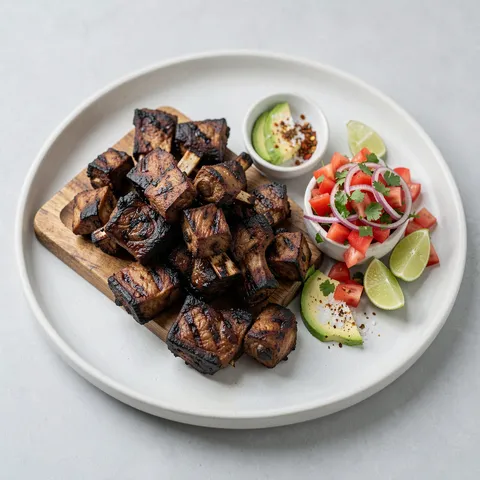 Nyama Choma and Kachumbari2 hr 15 min · Main course
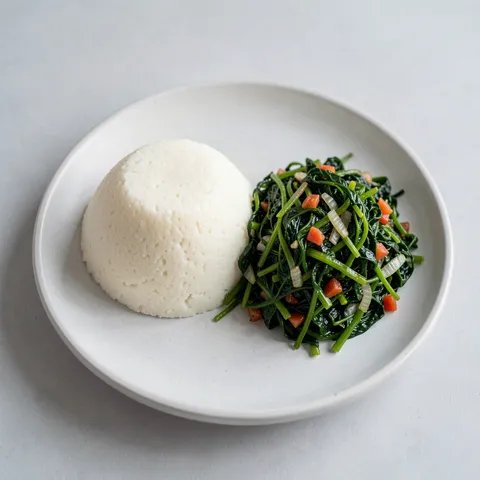 Ugali and Sukuma Wiki50 min · Side dish
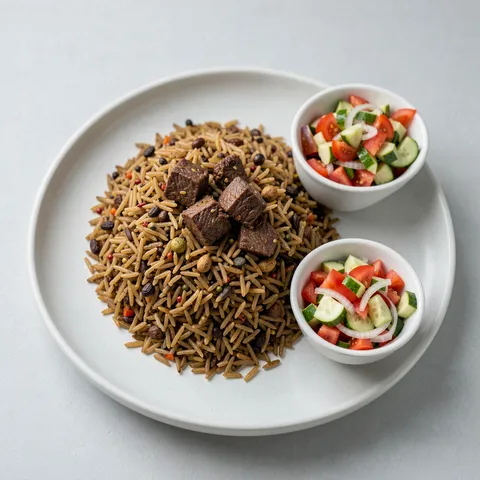 Kenyan Pilau1 hr 50 min · Main course
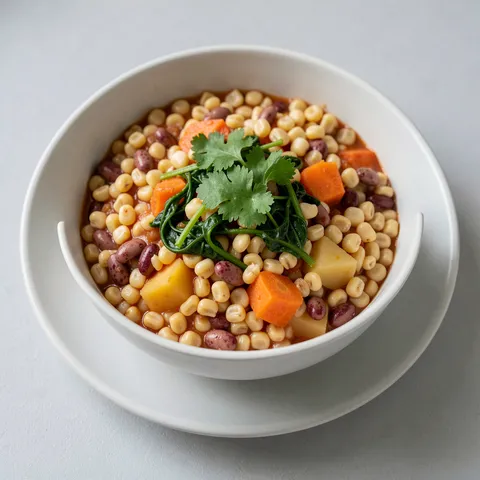 Kenyan Maize and Bean Stew2 hr · Main course
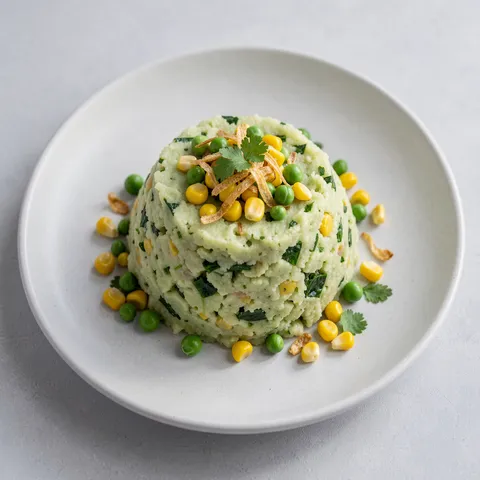 Kenyan Green Potato Mash50 min · Side dish
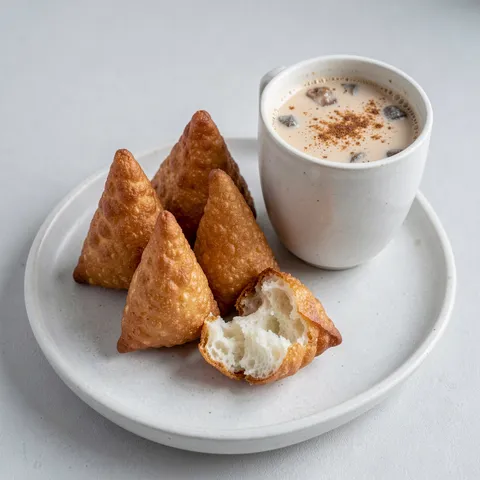 Kenyan Coconut and Cardamom Doughnuts1 hr 30 min · Bread & pastry