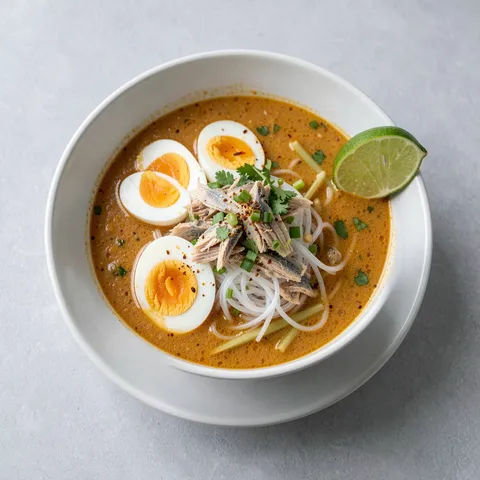
Burmese Lemongrass Fish Soup with Rice Noodles Mohinga
A Burmese soup. Takes 1 hr 10 min, Serves 4. Difficulty: medium.
At a glance
- Total time
- 1 hr 10 min
- Serves
- Serves 4
- Difficulty
- Medium
- Cuisine
- Burmese cuisine
- Dish type
- Soup
- Allergens
- Gluten, Milk, Eggs, Fish, Crustaceans, Peanuts, Celery, Sulphites
Ingredients
Fish and stock
- 700 g whole catfish (cleaned, cut into 3 pieces) or 600 g sea bass on the bone
- 1.8 litres water
- 2 lemongrass stalks (bruised)
- 20 g ginger (sliced)
- 1/2 tsp turmeric
- 1 tsp salt
Paste
- 2 medium onions (about 250 g, roughly chopped)
- 5 garlic cloves
- 30 g ginger
- 3 lemongrass stalks (lower white part only, chopped)
- 1 tsp turmeric
- 2 tsp sweet paprika
- 1/2 tsp hot chilli powder
- 3 tbsp water
To fry
- 80 ml groundnut oil or sunflower oil
- 1 tsp shrimp paste (ngapi)
Thickener
- 40 g rice
- 40 g gram flour (chickpea flour)
- 250 ml cold water
Seasoning
- 3 tbsp fish sauce
- 1 tsp freshly ground black pepper
- 150 g banana stem core (thin rings, optional)
Noodles
- 300 g dried thin rice noodles
To serve
- 4 eggs
- 1/2 bunch coriander
- 2 spring onions
- 1 lime (4 wedges)
- 1 tsp chilli flakes
Equipment
- Heavy-based saucepan
- Colander
- Fine sieve / chinois
- Frying pan
- Blender
- Balloon whisk
- Wooden spoon / spatula
- Saucepan
- Mixing bowls
- Ladle
- Chef's knife
- Chopping board
- Probe thermometer (optional)
Method
- Poach the fish: Put the fish, water, bruised lemongrass, ginger slices, turmeric and salt in a heavy-based saucepan, bring to the boil over medium heat and skim off the foam that rises with a ladle. Lower the heat and simmer gently for 12-15 min. It is ready when the flesh comes away easily from the bones and a thermometer reads 63°C at the thickest point. Lift the fish out with a slotted spoon and pass the stock through a fine sieve into a separate bowl: about 1.6 litres remain. Rinse out the pan
- Pick over the fish: Once the fish has cooled slightly, remove the skin and all the bones and flake the flesh into large pieces. Feel through it piece by piece with your fingers: the fine bones of catfish are hard to spot in the soup. Divide the flesh into two equal portions
- Prepare the thickener: While the fish cooks, toast the rice in a dry frying pan over medium heat, stirring constantly, for 6-7 min, until golden, then grind it to a fine powder in a blender. Toast the gram flour in the same pan over low heat, stirring, for 3-4 min, until it smells nutty and darkens by a shade. Whisk both with the 250 ml cold water to a lump-free slurry. The toasted rice and gram flour give mohinga both body and the aroma of toasted grain
- Blend the paste: Dry the blender. Blend the onions, garlic, ginger, lemongrass, turmeric, paprika, chilli powder and 3 tbsp water to a smooth paste
- Fry the paste: Heat the oil in the saucepan over medium heat, add the paste and shrimp paste and fry, stirring constantly with a wooden spoon, for 10-12 min. It is ready when the water has evaporated, the paste has turned deep orange and the oil separates out on the surface. If there is still a raw onion smell, carry on for a few more minutes: an underfried paste makes the soup harsh
- Combine the soup: Stir half the flaked fish into the paste for 2 min: the fish absorbs the oil of the paste. Add the strained fish stock and bring to the boil. Whisk the slurry again and add it to the soup in a thin stream, stirring constantly. Add the banana stem, if using. Cook over low heat for 15 min, scraping the base often. The soup is ready when it thinly coats the back of a spoon, slightly runnier than a cream soup, and the raw flour taste has gone. Add the fish sauce, black pepper and the remaining fish and heat for 2 min. If it gets too thick, add a little hot water
- Noodles and eggs: While the soup cooks, bring water to the boil in another saucepan. Boil the eggs for 9 min, transfer to iced water, peel and quarter. In the same water, cook the noodles for 3-4 min, until white and soft, drain in a colander and rinse with cold water: this removes the excess starch and stops the strands sticking. Roughly chop the coriander and slice the spring onions into thin rings
- Plate: Put a handful of noodles in the bottom of a deep bowl, ladle over enough hot soup to cover the noodles and leave the fish pieces on top. Arrange four egg quarters side by side, scatter with coriander and spring onions and add a pinch of chilli flakes. Put a lime wedge on the rim of the bowl, so everyone can squeeze it in and adjust the sourness themselves
Chef's note
Mohinga is the unofficial national dish of Myanmar and is eaten for breakfast on the street. The core of the banana stem (ngapyaw u) gives a slightly crunchy, fibrous texture, and if unavailable it is left out. Fish sauce, shrimp paste (ngapi) and dried rice noodles are traditionally bought ready-made. If ngapi is unavailable, leave it out or add 1 tsp fish sauce. Common additions also include fried yellow split pea fritters (pè gyaw). The consistency and heat vary from region to region.
Frequently asked questions
- How is the mohinga thickened?
- Toasted rice powder and gram flour are mixed into a slurry with cold water and added to the soup in a thin stream. This gives the soup both body and a toasted grain aroma.
- Will I notice the catfish bones in the soup?
- The fine bones of the catfish can't be spotted in the soup, so check for them one by one with your fingers. Once the fish has cooled slightly, remove the skin and bones.
- Why is the mohinga paste fried for so long?
- An underfried paste makes the soup sharp. Fry the paste for 10-12 minutes, until the water has evaporated, it has turned deep orange and the oil has separated to the surface.
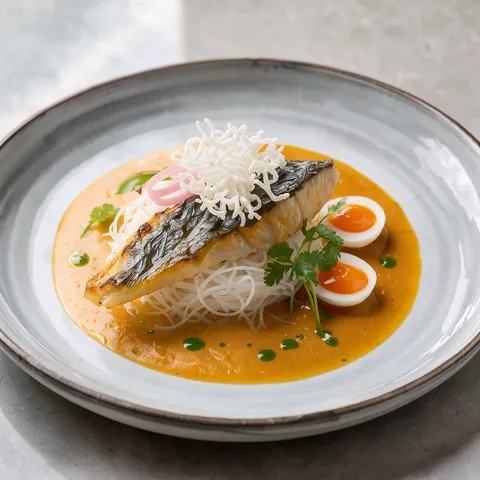 Mohinga 2.01 hr 25 min · Main course
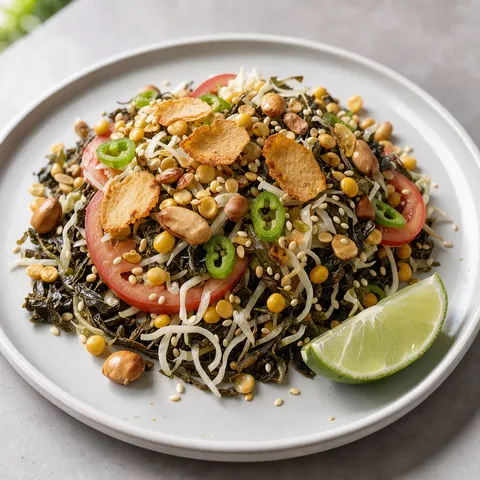 Burmese Fermented Tea Leaf Salad45 min · Meze
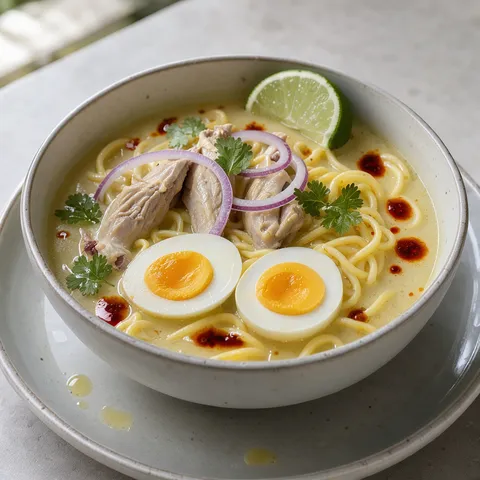 Burmese Coconut Chicken Noodle Soup1 hr 5 min · Main course
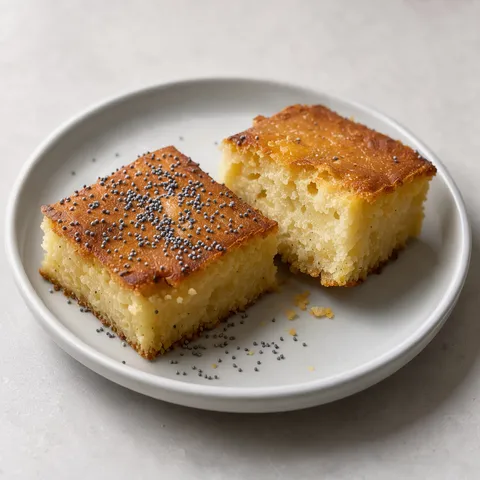 Burmese Semolina Cake with Coconut Milk1 hr 40 min · Dessert
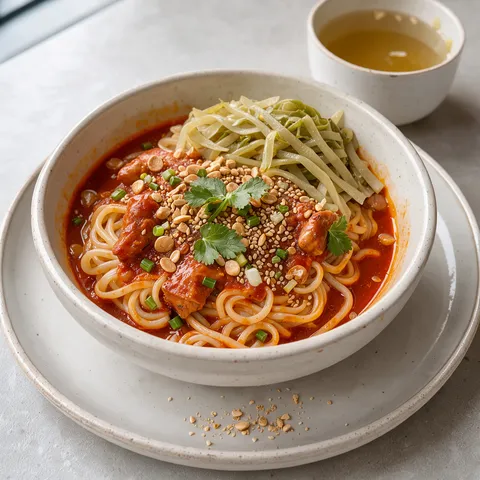 Shan Rice Noodles with Chicken Sauce55 min · Main course
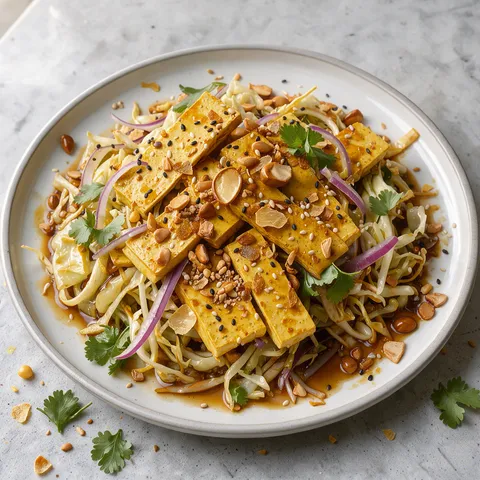 Shan Homemade Chickpea Tofu Salad35 min · Meze
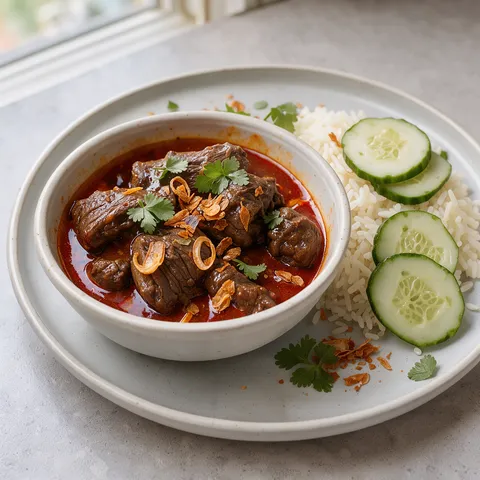 Burmese Slow-Cooked Beef Curry1 hr 45 min · Main course