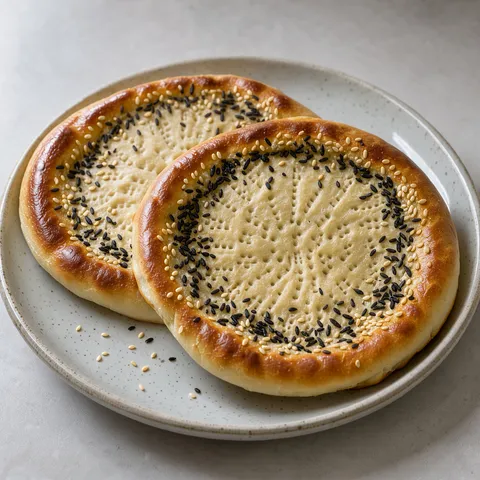
Uzbek Stamped Tandoor Bread Obi Non
An Uzbek bread & pastry. Takes 2 hr 30 min, Makes 4. Difficulty: medium.
At a glance
- Total time
- 2 hr 30 min
- Serves
- Makes 4
- Difficulty
- Medium
- Cuisine
- Uzbek cuisine
- Dish type
- Bread & pastry
- Allergens
- Gluten, Milk, Sesame
Ingredients
Dough
- 500 g strong white bread flour
- 320 ml lukewarm water
- 7 g fast-action dried yeast
- 1 tsp caster sugar
- 10 g salt
- 1 tbsp sunflower oil
Topping
- 2 tbsp milk
- 1 tsp nigella seeds
- 1 tsp sesame seeds (makes 4)
Equipment
- Mixing bowls
- Cling film
- Baking tray
- Oven
- Baking paper
- Pastry brush
Method
- Activate the yeast: Mix 50 ml of the lukewarm water with the sugar and yeast and leave for 5 min, until the surface is frothy. If it does not froth, the yeast is dead: use a new batch
- Knead: Mix the flour and salt in a large bowl, then add the yeasted water, the remaining lukewarm water and the oil. Knead for 12 min, until the dough is smooth and elastic. When you stretch a small piece, it should become thin enough to let light through without tearing
- Prove: Transfer the dough to an oiled bowl, cover with cling film and leave in a warm place for 1 hr, until doubled in size
- Divide into balls: Divide the dough into 4 equal pieces and shape each into a tight ball. Cover and rest for 15 min: the gluten relaxes and the dough becomes easier to shape. Meanwhile, preheat the oven to 250°C and put a baking tray, upside down, in the oven to heat up. The hot tray cooks the base straight away, like the hot wall of a tandoor
- Shape: Press each ball with your palms into an 18 cm round. Leave a raised rim 2 cm thick around the edge and press the centre down with your fingertips until it is 5 mm thick. Prick the centre all over with a fork to make a pattern. These holes stop the centre puffing up like a balloon and create the flat centre and raised rim of obi non. Takes 10 min
- Final rest: Leave the shaped breads to rest on baking paper for 10 min. Brush the tops with milk and sprinkle the centres with nigella and sesame seeds
- Bake: Slide two of the breads, on their baking paper, onto the hot tray. Pour 100 ml water onto the oven floor and close the door immediately: the steam mimics the humidity of a tandoor and gives the crust a shine. Bake for 12-14 min, until the edges are deep golden. Bake the other two breads the same way. Takes 28 min in total
- Cool in a cloth: Wrap the breads in a clean tea towel and leave for 10 min. The crust softens slightly and the centre stays moist
- Plate: Arrange the breads whole, patterned side up, on a serving board, to be torn by hand. At an Uzbek table non is never cut with a knife: it is broken by hand and never placed upside down
Chef's note
Obi non is Uzbekistan's staple bread, present at every meal, and is traditionally baked stuck to the inside wall of a clay tandoor. The pattern in the centre is pressed in with a studded stamp called a chekich; at home a fork does the same job. Samarkand non is thicker and denser, while this recipe is closer to the everyday bread of Tashkent. Stale non is revived by sprinkling it with water and warming it in the oven for 3 min.
Frequently asked questions
- Why is the middle of Obi Non pricked with a fork?
- Prick the middle all over with a fork. The holes stop the centre puffing up like a balloon and create the flat centre and raised rim of obi non. Thin the middle to 5 mm with your fingertips, leaving a 2 cm ring at the edge.
- How do you get a tandoor effect at home?
- Heat an upturned baking tray in a 250°C oven. The scorching tray cooks the base straight away like the hot wall of a tandoor. Slide the breads onto the hot tray. Pour half a cup of water onto the oven floor, and the steam mimics the humidity of a tandoor.
- How is Obi Non eaten?
- Warm the breads wrapped in a cloth for 10 minutes and serve them whole, patterned side up. At an Uzbek table, non is not cut with a knife but broken by hand. It is also never placed upside down.
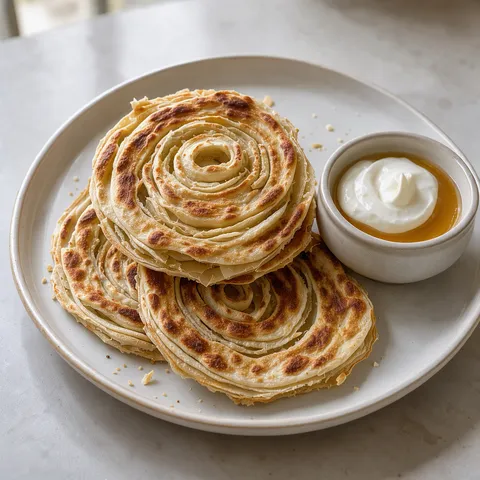 Uzbek Layered Butter Flatbread51 min · Breakfast
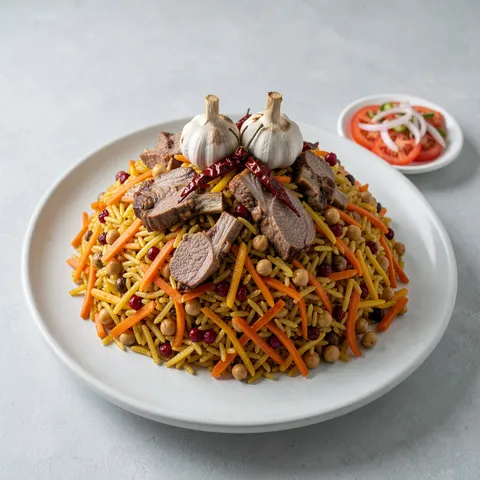 Uzbek Plov2 hr 30 min · Main course
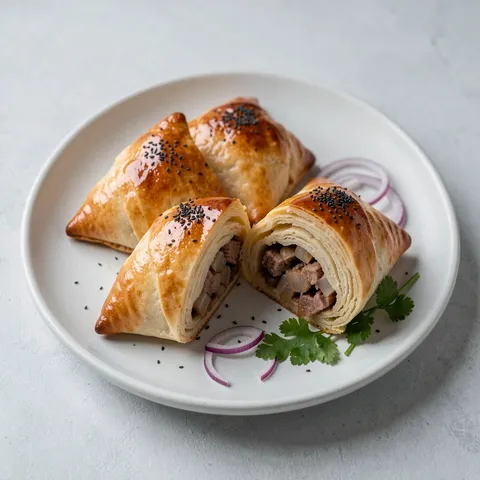 Uzbek Pastries with Lamb and Tail Fat2 hr 45 min · Bread & pastry
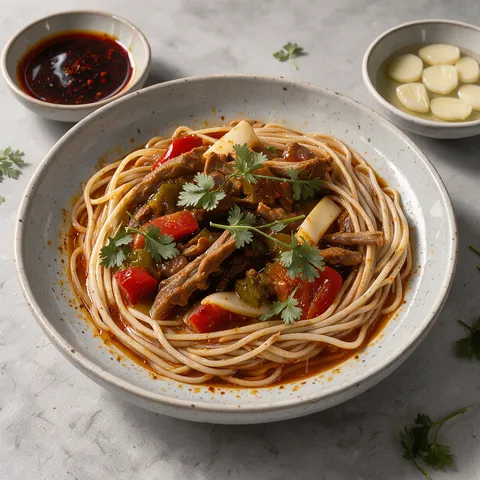 Hand-Pulled Noodles2 hr 15 min · Main course
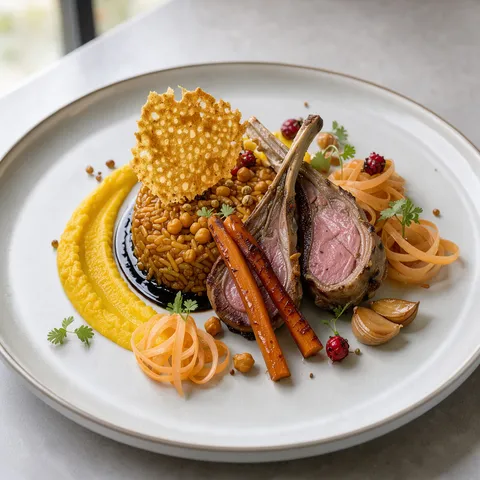 Uzbek Plov 2.01 hr 30 min · Main course
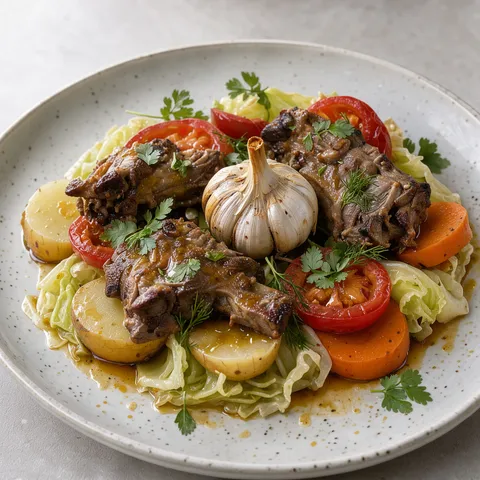 Uzbek Layered Lamb and Vegetable Stew2 hr 10 min · Main course